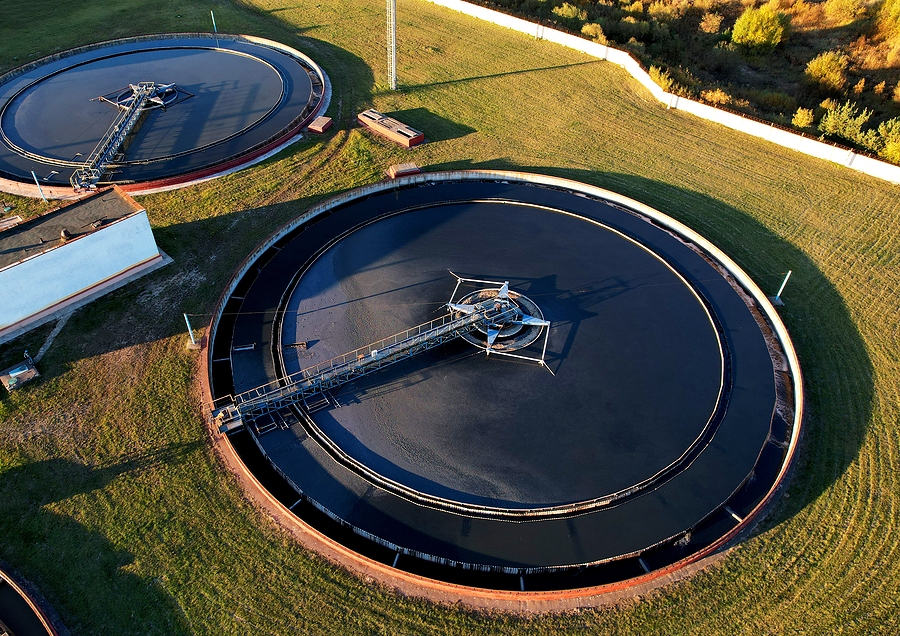
Many different types of wastewater treatment equipment are available on the market, which can make it difficult to choose the right one. Choosing the wrong equipment for the job can cost your plant more money than it did to buy the equipment in the first place. Plant managers often spend a lot of time deciding which equipment to choose and evaluating which manufacturers are trustworthy and credible. That’s why we’ve put together this guide on how you can evaluate water treatment manufacturers so plant managers don’t have to think too hard the next time they’re choosing equipment. Continue reading this article to get a step-by-step plan on how you can evaluate these manufacturers to choose the most ideal candidate.
Start With What Your Plant Needs
Don’t base your decision solely on the manufacturer’s pitch; instead, base it on what your particular plant actually needs. Look into your local, state, and federal guidelines and regulations for your specific discharge and effluent requirements. You should also familiarize yourself with the fines and penalties tied to non-compliance, such as untreated overflow during heavy rain events, so you know what to expect. Define your space, retrofit, or footprint constraints at your facility, as well as capacity needs for both daily flows and peak storm conditions. This information can help you determine what equipment you need to meet the goals and needs of your unique wastewater treatment facility, so you can ensure the equipment you choose will suffice.
Prioritize Reduced Long-Term Maintenance
When thinking about the future of your equipment, choose options that reduce long-term maintenance as much as possible. For example, choosing a non-submerged design can drastically reduce maintenance. Submerged designs often increase corrosion, grit exposure, and mineral buildup, leading to more maintenance needs, such as repairs or part replacements. Non-submerged designs like our Lakeside SpiraGrit Vortex Grit Chamber can cut maintenance costs over the equipment’s lifespan. When evaluating equipment, ask manufacturers questions about wear parts, expected service intervals, and bearing exposure so maintenance expectations are clear for both of you.
Look Into The History of the Manufacturer
If you are comparing manufacturers, look into their track record and experience to better understand what they provide and how it holds up. You should know everything from how long they’ve been in business to what industry-specific experience they have, and ask for case studies or references to support their claims. Additionally, it can be beneficial to discuss what support will look like in the future, as you may need repairs, replacements, or other support from the manufacturer.
Look Into Build and Material Quality of Equipment
Knowing the ins and outs of what the equipment entails and what it’s made of can help you better understand how it’ll hold up over time and what that means for future repair or replacement needs. Stainless steel can be a great option for lower corrosion risk and a longer lifespan than other materials. American-made equipment versus overseas-manufactured equipment may affect lead times, parts availability, and quality control, so choosing the right manufacturer location matters.
Understanding the Full Product Ecosystem
You should know and understand how the entire equipment lineup will work, not just one piece of equipment. For example, many wastewater treatment equipment manufacturers, like our team here at Lakeside, offer a variety of different solutions for multiple treatment stages. A single manufacturer may offer equipment for screening, clarification, grit removal, and biological treatment. Sourcing a lineup of equipment with integrated systems from one manufacturer can ensure compatibility and seamlessness as you begin to install and implement the equipment.
Consider Support, Service, and Availability
There are a few things that you should consider when it comes to choosing a manufacturer that’s able to provide you exactly what you need. You’ll want to look into the manufacturer’s responsiveness for potential emergency repairs or breakdowns, as well as the availability of local reps, engineers, or service teams for support. Familiarize yourself with what they offer within warranty and what they will actually cover, before you need to pay out of pocket.
Get Multiple Quotes, But Compare Beyond Price
Comparing quotes comes with the territory of choosing a manufacturer for your treatment plant parts, but it should not be the final decision maker. Although the cheapest option for upfront cost might seem appealing, it’s important to consider that it may cost more in downtime, replacement, and repairs over its lifetime. However, equipment made of better-quality materials can last longer without needing maintenance, but it may have a higher upfront cost. Build a comparison chart so you can review each manufacturer’s details in an organized way and decide what best fits your needs.
Ask for References and Case Studies
Asking for references or case studies can help you see what their equipment looks like and how it operates in person. You can talk with current plant managers who have their equipment in place to get a better idea of what to expect if you decide to choose them. Choose references with similar plant sizes and needs to compare, and site visits or demos of equipment in operation can give you a better understanding of what the equipment can do.
Choosing the Right Manufacturer for Your Treatment Plant
Choosing a wastewater treatment plant manufacturer can be tedious and time-consuming, but knowing what to look for and consider can help you find the right match much faster. A needs assessment can help you evaluate support, quality, and pricing to determine which manufacturer best meets your wastewater treatment plant needs. If you’re in the area and want to learn about the equipment we offer at Lakeside Equipment, contact us today for a free consultation!