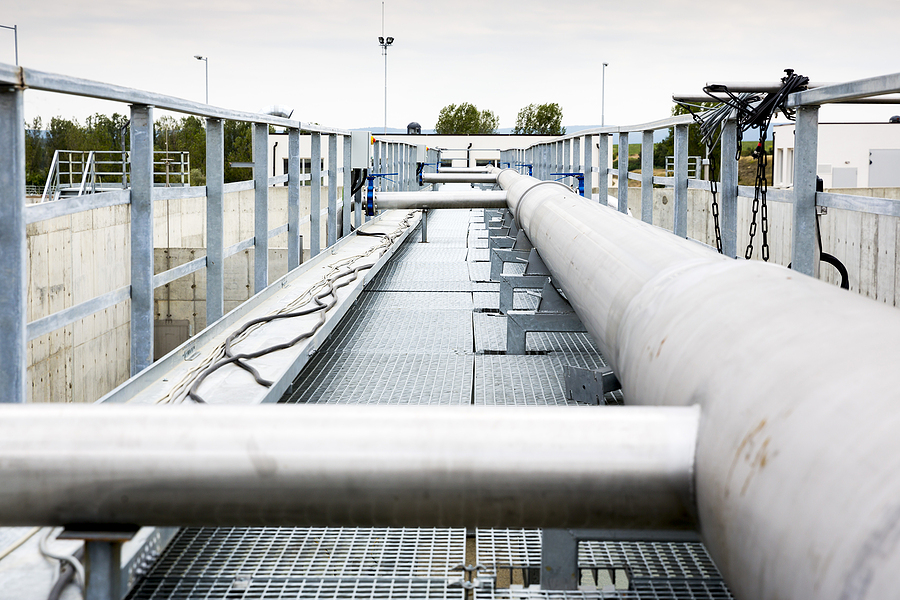
Lift stations are one of the most important parts of wastewater treatment plants, but they come with some challenges. Lift arms are used to help pump water uphill when gravity is working against it (usually for flat terrain areas). One of the biggest pain points is pump clogging and downtime from rags, wipes, and debris building up. Open screw pumps will help to solve this problem with their mechanical design. Ultimately, this device is a necessary part of wastewater treatment plants, and it’s important for maintaining a reliable lift station. Let’s explore more into what this means and how exactly they improve reliability.
What Is An Open Screw Pump?
Firstly, let’s get into what an open screw pump actually is and how it works. An open screw pump is often called an Archimedes screw pump, which has an ancient design that’s still used today as the main option in wastewater plants. It’s a foolproof design that we’ve continued to adopt, and it’s become a staple part in ensuring the proper function of these systems. It works by having a helical screw on the inside that rotates, tilts, and scoops water up as it turns around. There’s no enclosed housing or tight clearances, making it easily reachable, maneuverable, and maintainable, unlike other options. They are often used in industries that use municipal lift stations, treatment plants, and stormwater stations. It’s an essential part of these systems that need to filter out any debris or solids. Because of its foolproof design, we’ve continued to use this same mechanism for years now, making it an ancient design found in modern machinery.
Why Conventional Lift Station Pumps Aren’t As Reliable
The conventional lift station pumps we see today are not as reliable as open screw pumps. There are multiple reasons they aren’t as reliable, and why open screw pumps might be a better option for efficiency, cost, and reliability. One issue with conventional pumps is ragging, where wipes or rags wrap around the impeller shafts and cause blockages, halting the process. Efficiency can also be an issue, as grit and sand can erode impeller surfaces over time, leading to damage and inefficiencies. For plants that have more confined spaces, there is also an issue with maintenance access, causing costly, slow, and risky maintenance. Lastly, downtime cost is a huge factor for plants that use this system. With a failed pump, the plant will be inoperable, leading to downtime that increases costs and creates compliance issues and inconveniences.
What Makes Open Screw Pumps Reliable?
Now that we’ve gone over why conventional pumps aren’t as reliable, we’ll look into the design features of open screw pumps that make them so reliable. Here are a few main features that really support reliability and make this a much more efficient system:
Open Geometry: Because this doesn’t have enclosed housing, and the rags and solids move along the screw instead of trying to fit through a smaller gap, it means more flow and fewer clogs. This is by far one of the biggest reliability advantages of choosing an open screw pump.
Low Speed: These pumps operate at a low rotational speed, which is under 100 RPM. This results in much less wear and tear, leading to less maintenance and less stress on it.
No Impeller: This system does not have an impeller, which means that there are no tight clearances or possibilities of getting bound up.
Self-Regulated Flow: The flow through the open screw pumps is much more naturally regulated, without the need for difficult controls, leading to more efficiency and just an easier process overall.
What To Consider Before Implementing Open Screw Pumps
When implementing this system in your wastewater treatment plant, there are a few things to consider. These pumps are a great addition and can support efficiency throughout your plant, but there may be changes that need to be addressed before properly implementing open screw pumps in your process.
- These pumps often need an open, more inclined installation, meaning an open floor plan would be needed. It’s not an ideal option for urban sites or plants that have tighter spaces.
- They are best suited for new construction, rather than trying to fit them into existing construction where the sizing and infrastructure style might not accommodate them.
- It can be more costly upfront, but there is a lower lifecycle cost mostly due to the reduced maintenance and downtime.
- It’s not always the right fit for some systems, as smaller lift stations or small spaces may not fit this system properly, leaving conventional pumps to be the better option.
Supporting Reliability With Open Screw Pumps
Open screw pumps are an efficient and effective system to implement into many wastewater treatment plants. It is a system that’s been around for decades and continues to have many pros, but it might not be best for all treatment plants. Some wastewater treatment plants would be better off with conventional pumps, so before making the switch, be sure to go over all of the details regarding implementation into your specific treatment plant. That said, there are still many benefits to having an open screw pump instead, including reduced maintenance, smoother operation, and lower lifetime costs. With the open concept and self-regulated flow, this can be a great option for plants that are looking to boost efficiency and have supporting infrastructure for open screw pumps. If you are interested in implementing open screw pumps into your wastewater plant, be sure to talk to a professional about what might work for your plant and what recommendations they can give for making the switch.