Wastewater treatment plants require a lot in operations, as it’s much more than just treating water. There are many different components to the plant, and it takes ongoing investment in new equipment, resources, labor, energy, and maintaining compliance. Overall, construction costs are typically one of the most stressed parts of operating a wastewater treatment plant, but the long-term operating expenses are a significant part of the budget and resources needed. If you are a city or industrial facility looking to understand the process and expenses of running a wastewater treatment plant, it’s important to remember the ongoing and long-term costs that are associated with it. Let’s dive more into the details of the cost behind running a wastewater treatment plant to better prepare for the expenses and process that comes with it.
Understanding Operating Costs for Wastewater Treatment Plants
Many times, operators consider only the initial costs associated with building or expanding a plant, but there are also additional upkeep and long-term operational costs that should be considered. Operating expenses are necessary in order to keep the wastewater plant up and running, but this cost can vary greatly based on the plant size, operational needs, location, and local regulations. Managing these costs effectively is key to long-term sustainability, making it critical to consider them long before you start the project of running or building your wastewater treatment plant.
Daily Operational Expenses
The daily expenses associated with operations can include everything from costs supporting the treatment process, equipment performance, and ensuring regulatory compliance. Additionally, this can go directly to specific components of the plant like power pumps, aeration systems, control equipment, and other treatment processes. Labor and operator expenses are also something to consider, as the plant will need sufficient staffing in order to maintain operations. All of these expenses are typically regular, but the cost amount can vary, with some being stable and others fluctuating depending on the operations of the plant.
Fixed vs Variable Costs
Wastewater treatment plants usually have a variety of different costs that can be fixed or variable based on the operations. Forecasting expenses and budget starts with understanding the different costs you’ll have to take on, as well as which ones are fixed and which ones will change. When we look at fixed costs, these typically remain the same, or at least quite similar month to month. These costs can be:
- Salaries
- Facility permits or fees
- Property taxes
- Equipment depreciation
- Insurance
- Routine software subscriptions and monitoring systems
- Long-term contracts
Additionally, there are many different costs that change based on the operations happening within the wastewater treatment facility. Seasonal demand, plant flow, weather events, and treatment requirements can all make these costs fluctuate. Here are a few examples of fluctuating costs that you might have:
- Electricity consumption
- Fuel costs
- Overtime labor
- Sludge hauling
- Chemical usage
- Emergency repairs and maintenance
- Replacement parts
Why Is Energy Consumption a Large Expense for Wastewater Plants?
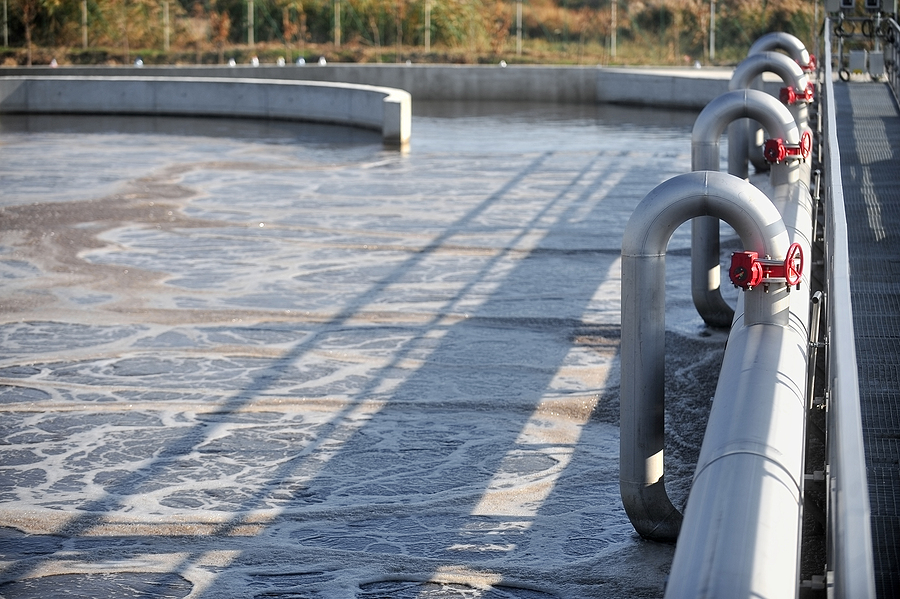
Wastewater treatment plants rely heavily on electricity to power the entire facility and all of the working components. Aeration systems, pumps, blowers, and other mechanical processes account for quite a large percentage of the plant’s energy usage. As an operational manager of a wastewater treatment plant, maintaining energy efficiency can help reduce operating costs over time, significantly lowering the overall cost associated with this. Energy cost is one of the main areas where these plants can cut costs with energy-efficient upgrades and improvements.
Preparing For Maintenance and Repairs
With any facility comes the need for maintenance and the occasional repair. These expenses are often random and can vary in cost based on what is needed, but repairs and maintenance are extremely necessary to extend equipment life. Additionally, infrastructure that may be older, in wastewater plants that have been around for years, can require more maintenance and servicing, which should be considered. Some common maintenance costs include pump servicing, replacement parts, mechanical equipment inspections, calibration, and blower maintenance. Preparing for regular maintenance and unexpected repairs can keep your budget tight and allow room for these costly needs.
Regulatory Compliance and Testing
With wastewater treatment plants, there are a lot of different compliance and regulations that must be upheld. These tests and compliance needs can be costly, including reporting, testing, inspections, and requirements like water testing, lab analysis, renewals, and inspections. Not meeting regulatory standards can result in penalties or fines, additional testing needs, and even system improvements depending on what is found. It’s important to prepare for this compliance and testing to ensure you maintain a budget for it and avoid fees, fines, and other problems if your plant is found noncompliant.
How To Reduce Wastewater Treatment Plant Operating Costs
Although the costs of maintaining a wastewater treatment plant can vary and are necessary, there are many ways that facilities can lower these operating expenses without sacrificing treatment performance. One of the biggest things you can do to achieve this is investing in efficient equipment and proactive maintenance that can keep your facility performing at its best.
Here are some of the cost-saving strategies that you can implement:
- Upgrade to energy-efficient equipment
- Optimize chemical usage
- Improve aeration efficiency
- Preventative maintenance
- Optimize chemical usage
- Conduct equipment evaluations
These are just a few ways that operational costs can be reduced within a wastewater treatment facility. The main thing to remember when it comes to cost-saving strategies for these facilities is the need to be as efficient as possible with operations, and upgrading equipment can make a huge difference.
Preparing For The Cost of a Wastewater Treatment Plant
The cost associated with running a wastewater treatment plant should be considered by municipalities and operational managers that are looking to build or expand their plants. It’s no secret that these plants can be costly because of the amount of work they do and the amount of energy they use, but there are ways to prepare for these costs and even cut them. The biggest thing to remember is to prepare by understanding the costs associated with a wastewater treatment plant, as well as the different ways those costs can be cut. Overall, the best way to prepare to run or build a wastewater treatment facility is to educate yourself on the costs and budget, and invest in efficient equipment from the beginning.