All posts by admin-seo

Managing PFAS and Emerging Contaminants With Advanced Treatment Equipment

Wastewater treatment is an important part of our everyday lives, but there is a need for change as contaminants evolve and new ones emerge. For example, PFAS, or forever chemicals, are new contaminants that we must consider when operating a wastewater treatment facility. Forever chemicals, microplastics, and pharmaceuticals are examples of emerging contaminants that must be considered, especially because current treatment systems weren’t designed to address them. Let’s discuss how to manage these emerging contaminants with advanced treatment equipment and what this could look like for the future of wastewater treatment facilities. 

What Are PFAS and Why Do They Matter?

PFAS, or forever chemicals, are emerging contaminants found in a variety of areas, including our water systems. They are called “forever chemicals” because they seem to persist for a long time, thanks to their very stable chemical structures. Typically, if there is a trace of PFAS, there is a larger amount in the area, as they are usually present in groups and at very low concentrations. PFAS can come from a variety of sources, many of which are unknown, but common sources include firefighting foam, landfills, industrial discharges, and biosolids or effluent. Managing PFAS has become a priority for many industries since their discovery, including the wastewater industry, because of their negative effects on humans.

What is Considered an “Emerging Contaminant”? 

When we think about emerging contaminants, we’re referring to contaminants that weren’t always present but are being discovered more frequently. Microplastics are among the most well-known contaminants in this sector, and they have been discovered in a variety of areas, raising concerns about their prevalence. These emerging contaminants are difficult to track and regulate because they are often found at low concentrations, meaning there are not many in any given area. Yet, they can have a significant effect on humans even at low levels. Regulating these contaminants would be ideal, but it’s quite challenging, as their effects are not fully known and can change over time. 

How Regulations for Emerging Contaminants are Evolving 

Regulations are changing as the discovery of emerging contaminants continues, and agencies are trying to respond to the increasing public concern. One of the biggest changes we will see across the industry is the shift from viewing these contaminants as a broad category to viewing them specifically. For example, PFAS were initially identified as a few specific larger compounds, but there is now growing recognition of different types of PFAS and PFAS mixtures. In the future, we expect lower limits on what is allowed in water or other areas as detection methods continue to improve. Given that many of these contaminants can be present at low concentrations, it will be crucial to determine their effects on humans and the environment, even at low levels. Routine testing, advanced treatment ideas, long-term treatment budgets, and increased tracking will all be a part of what this looks like in the future and how industries will respond to the increase in these contaminants. 

How Advanced Equipment Will Set the Stage in the Future 

Advanced treatment equipment is something we can expect to see more of as these emerging contaminants are discovered. “Advanced treatment equipment” refers to any equipment added beyond the primary and secondary equipment we typically see. They are typically added to help remove wastewater contaminants that the typical process doesn’t capture. Because PFAS and other contaminants are often dissolved, chemically stable, and able to pass through treatment processes, it is critical to have additional equipment specifically designed to handle them. 

What Makes this Equipment Advanced? 

When we talk about advanced treatment equipment, it usually has characteristics that are not present in typical equipment. You can expect this equipment to remove contaminants at a molecular level, which is important because some contaminants are dissolved or too small to pick up with traditional equipment. It will also target material that traditional equipment isn’t built for, such as pathogen control. When considering advanced equipment, it’s vital to note that it will require specialized design and monitoring including operator training, lab testing, and performance monitoring. 

Types of Advanced Equipment for Wastewater Treatment Equipment 

Multiple types of advanced equipment can be added to your wastewater treatment facility. Advanced equipment is a great way to ensure you can manage the emerging contaminants we are increasingly seeing, such as PFAS, while maintaining your system setup. Here are some of the most common ones and how they help: 

Granular Activated Carbon Systems 

These systems will remove contaminants through adsorption, in which contaminants stick to the carbon surface. This is ideal for dissolved or too-small chemicals and contaminants that traditional equipment cannot pick up. This system also removes low-concentration materials, making it ideal for PFAS and organic micropollutants. 

Ion Exchange Systems 

Ion exchange systems are vessels filled with resin beads that attract and hold contaminants. It’s an effective system for removing specific PFAs, especially those present in drinking water. 

Membrane Filtration Systems 

This system type includes three different treatments: nanofiltration, reverse osmosis, and ultrafiltration. It works by physically separating the dissolved contaminants from the water using pressure-operated filtration. 

Advanced Oxidation Processes 

Advanced oxidation processes, or AOP, work by breaking down organic contaminants by creating powerful oxidants. It’s best for pharmaceuticals, industrial organics, and taste-and-odor compounds. 

How to Choose Advanced Equipment for Your System 

Choosing an advanced piece of equipment means considering many factors to ensure you select a system that fits your needs. For example, you’ll want to match your equipment to where the contaminated water is and where the contaminant lives. PFAS in drinking water systems will be treated differently from wastewater systems, pretreatment, or landfill treatment centers. A one-size-fits-all solution won’t work in this situation, and it’s important to have clear goals to ensure you can choose equipment that maximizes efficiency and brings the most benefit. 

When you are ready to implement the equipment in your facility, you can start testing and profiling your water to identify contaminants. Pilot programs are a great way to test out the equipment to ensure it’s the right fit for you before fully committing to an installation. Working with a professional who is experienced in treatment equipment can help you choose the best option for your facility. 

Prepare Your Facility for the Future 

Get ahead and prepare your facility for the emerging contaminants we’ve already identified and will continue to identify. Investing in advanced equipment is a proactive way to enhance your removal process before regulations and expectations for eliminating these contaminants take full effect. If you are looking to invest in advanced treatment equipment, contact us at Lakeside Equipment, and we will help you find the most effective piece of equipment for your facility. 
Optimizing Pump and Valve Selection for Abrasive and High‑Solids Waste Streams

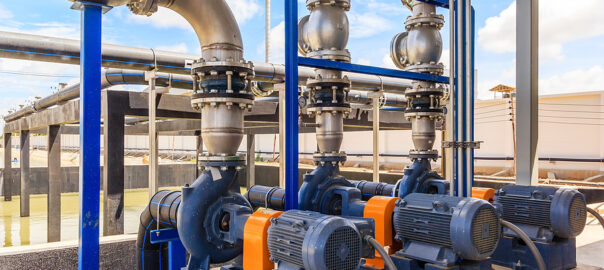
Pump and valve selection is one of the most important parts of handling high-solids waste streams. Using the wrong valve and pump combo can lead to a variety of issues, such as frequent clogging, excessive wear, and high energy consumption. As a wastewater treatment facility, it is crucial to ensure you have all the necessary components to optimize performance and efficiency. We’re going to dive into how you can optimize pump and valve selection for streams that contain abrasive materials and high solids. 

What are “Abrasive” and “High-Solids” Waste Streams? 

When it comes to wastewater, there are many types, each containing different materials and solids. The type of building you are in will determine the types of waste in the water. These types of waste streams can be found in municipal and industrial environments and often include wastewater grit and screenings, food processing waste, mining waste, pump waste, and sludge. With this type of waste, there is concern about equipment performance due to the presence of solids in the water. The shape and size of the solids, solids concentration, specific gravity, and viscosity are all characteristics that will affect equipment performance. These types of solids can cause greater wear and tear, so they should be considered when choosing a pump and valve for your specific wastewater concentration. 

Challenges in Abrasive and High-Solids Systems 

As we stated, there is concern about additional wear and tear on equipment that handles high-solids, abrasive water. There are a few key challenges that can arise when dealing with these systems and high-solids content. 

Excessive Wear and Tear 

We’ve touched on this previously, but excessive wear and tear is a key challenge that can arise if you have a wastewater treatment facility with abrasive, high-solids content later. Erosion of pump components, valve damage, and seal damage are specific issues that can occur due to excessive wear and tear. 

Clogging Issues 

Solids, especially abrasive or large solids, are hard on the systems and can potentially jam impellers and valve openings. It can also cause buildup inside the valve bodies, leading to a multitude of issues. If wastewater treatment systems are unable to remove particles efficiently due to their size, material, or amount, this can lead to clogging and further problems for the system. 

Loss of Efficiency 

Performance is important for wastewater treatment systems, especially given their critical role. Systems that handle high-solids can experience reduced performance over time and higher energy costs. Efficiency is crucial, so having the right pump and valve system for your facility ensures it runs as efficiently as possible. 

Increased Maintenance 

Maintenance and downtime are something that many facilities should do everything they can to avoid. Downtime and maintenance mean that systems are not running, which can be costly, especially if it requires an emergency shutdown. Additionally, frequent maintenance can be costly, impractical, and inconvenient for a facility trying to maintain its operations. 

How to Choose the Right Pump

Firstly, let’s explore how to choose the right pump and what to consider for an abrasive, high-solids system. Selecting your pump type is a crucial step in this process to ensure you choose a pump that meets your system’s needs. Here is a look at some of the different types of pumps: 

Non-clog centrifugal pumps: These are best suited for high flow and fast-moving volume. It is also best for solids that are not thick or paste-like, but more rough and abrasive. It is also ideal if your current system frequently clogs or if you are dealing with municipal wastewater. 

Rotary lobe pumps: This type of pump is more “sensitive,” meaning it’s gentler with solids, leading to less grinding and less damage. It’s best if you have solids that are large, but not gritty. 

Peristaltic pumps: If you are dealing with highly abrasive materials and need reliable pumping, this is the best choice. It’s ideal for pumping sludge, lime slurry, and polymer, among other materials. 

Progressive cavity pumps: These pumps are ideal for pumping wastewater with thick, high-solids sludge and for maintaining a constant flow. It’s best for sludge, biosolids, and thick industrial waste, as it doesn’t lose flow stability and efficiently pumps solids. 

Recessed impeller pumps: These pumps are ideal for solids that include stringy, fibrous materials or for applications with a high risk of clogging. The impeller is away from the flow path, minimizing contact with solids. 

Pump Material Matters

The material of the pump is important, as it can make or break its efficiency. You’ll want a pump with wear-resistant materials, such as iron, stainless steel, or ceramic coatings. It’s crucial to choose a material that best suits your abrasive severity, ensuring you don’t experience any unnecessary wear and tear. 

Consider the Seal and Bearing 

The pump itself isn’t the only component that you need to consider. Seals can often fail in environments with abrasive materials. The different seal options include mechanical, packed, and cartridge seals. Choose a seal that is ideal for your wastewater consistency and ensure that it will maintain efficiency. 

How to Choose a Valve 

Valve types are another key component of your wastewater treatment facility, and it is important to understand which types are available and which might be ideal for your specific wastewater needs. Here are the different valve types that you can choose from: 

Plug valves: Ideal if you need a valve that can handle solids efficiently without clogging. If your system comes in contact with sludge, grit, and thick wastewater, this valve is ideal for your situation. 

Knife gate valves: Facilities that handle sludge, biosolids, and high-solids flows that require on/off isolation can benefit from this valve type. 

Ball valves: Ball valves can be an option for wastewater treatment facilities that don’t have thick waste streams and instead handle small, non-abrasive, non-fibrous solids. 

Pinch valves: Pinch valves are ideal if your waste stream contains abrasive, gritty, or corrosive materials, or if it is thick. It has almost no clogging risk and a straight-through flow path, making it ideal for this type of material. 

Check valves: If you need to prevent backflow in pumping stations, industrial slurry lines, or sludge lines, a check valve is ideal. It also protects the pump and equipment, extending their lifespan. 

Abrasion Resistance in Valves 

Abrasion resistance is important for valves as well, so choosing a material that can withstand abrasive materials is key. For example, hardened seats and trims, coated internals, and rubber-lined options are all ways to protect your valve when dealing with abrasive materials. 

Selecting a Pump and Valve for Maximum Performance 

When choosing a pump and a valve, select them as a system or set, not as individual components. Treating them as a set ensures maximum system performance and seamless operation. You’ll want to match the flow rate, solids-handling requirements, and pressure. Some common challenges that arise when choosing a pump and valve to work together are: 

  • Choosing a pump that handles solids well, but a valve that doesn’t. This will result in clogging and other issues, as the valve will not be able to operate if it cannot handle the solids passing through. 
  • Inconsistent flow caused by a mismatched valve and pump. This inconsistency could cause surges, which can result in many other performance issues. 
  • Pump strain due to valve restrictions, which is due to the valve not being ideal for the wastewater, and the pump working in overdrive to compensate. 

These are just a few of the potential challenges that could arise, underscoring the need to choose a valve and pump that work efficiently together. 

Choosing a Pump and Valve for Your High-Solids System 

The pump and valve in a wastewater treatment system are two of the most important components, so it is extremely important to choose them wisely. Consider your system needs, solids content, material type, and wastewater type to choose a system that works best. If you aren’t sure which pump or valve is ideal for your specific treatment facility, contact us at Lakeside Equipment, and we will help you choose components that maximize efficiency for your specific facility. 

When to Upgrade Your Wastewater Bar Screen to Improve Plant Efficiency

Wastewater bar screens are a vital part of wastewater treatment facilities and are highly efficient. Bar screens are used to remove larger solids and debris from the water before it’s moved to the downstream equipment. Because it plays a crucial role in your plant’s overall efficiency, it’s important to ensure it is up to date with upgrades and maintenance to keep plant efficiency at a maximum and maintain good downstream equipment performance. Bar screen upgrades can be overlooked, but they are impactful investments that should be considered if you are looking to get the most out of your facility. Let’s explore more about when to upgrade your wastewater bar screen and how you can improve plant efficiency by doing so.

What Do Bar Screens Do in Wastewater Treatment Facilities?

As we mentioned, bar screens are an important part of wastewater treatment facilities, and they must be kept up to date to achieve maximum performance. Bar screens are used to remove large debris from wastewater before it flows downstream. Typically, they will remove materials such as wood, plastics, wipes, rags, and food waste found inside water. Bar screens protect downstream equipment, such as pumps, grit removal, and clarifiers, by removing larger debris that could cause problems early. They are crucial for maintaining consistent hydraulic flow throughout the treatment plant. For a wastewater plant to run at full efficiency, bar screens must be maintained, cleaned, and upgraded to perform optimally.

When Should You Upgrade Your Bar Screen?

You should be mindful of your bar screen and its performance to ensure your equipment is running as well as possible. With that said, there are a few signs you can watch for that may indicate it’s time to upgrade your bar screen. Here are some of the common signs that an upgrade is in your future:

Increase in Maintenance Needs

If you notice you need maintenance more frequently, it could be a sign that you need to upgrade your bar screen. For example, if you have frequent clogging or need to manually clean it more frequently, then these are signs that an upgrade may be in the future.

Screen Efficiency Reduction

Your screen should be running efficiently by working properly and maintaining a consistent workload. One of the most common signs of reduced screen efficiency is debris passing through the screen. This is a sure sign that something is off and you are not getting the most effective work from your bar screen. Other signs include inconsistent removal, odor, or aesthetic issues at the headworks. Your screen needs to work efficiently to maintain your workload and ensure wastewater is properly cleaned.

Flow Changes

Facilities often have flow or capacity changes, meaning the plant might expand, there is population growth, or there are inflow and infiltration issues. Simply put, if your screen is no longer sized correctly for your current or peak flows, then it’s time to upgrade to something more fitting.

Rise in Operational Costs

Typically, facilities have the same operational costs, so if you notice an increase in these costs, it can be a sign that something is wrong. Increased energy consumption, greater wear and tear, and rising repair and replacement costs can all signal higher operational costs.

What Happens if You Operate With an Outdated Bar Screen?

Using an outdated bar screen can cause various issues for your plant, making it crucial to stay on top of upgrades to keep it running efficiently. Here are a few risks that come with working with an outdated bar screen:

Negative Impact on Downstream Equipment

Downstream equipment, such as pumps or grit removal systems, is crucial for your overall wastewater facility. That said, not having an upgraded bar screen can allow debris to pass through and reach that downstream area. As a result, the escaped debris can harm downstream equipment, exacerbating the problem.

Regulatory Concerns

With a bar screen that isn’t working properly, you can have more escaped debris and a facility that isn’t working as efficiently. This can be a cause for concern when it comes to regulatory and compliance needs, as these regulations often include the efficiency and sanitation of your equipment/facility.

Safety Risks

Manual cleaning can pose safety risks, so it’s important to maintain equipment to keep manual cleaning to a minimum. Manual cleaning can be effective, but it can also be dangerous, which is why it’s important to keep your equipment up and running to reduce the need for manual cleaning.

Risk of Shutdowns

Equipment issues can cause a risk of shutdowns especially when it comes to your bar screen. Shutdowns can occur if increased maintenance is required, leaving the facility inoperable during the maintenance.

What to Consider Before Upgrading Your Bar Screen

If you are considering upgrading your bar screens, it might be helpful to know when it is best to do so. One thing to consider is the downtime required to upgrade the car screen, which makes it essential to do the upgrades during planned expansions or plant upgrades. Consider your maintenance costs and how they compare to replacement costs. When you are spending more on maintenance than on replacements, it is a sign you should consider a bar screen upgrade. Lastly, a long-term asset management strategy is key to understanding where bar screen upgrades fit. If you are already looking to make changes within your plant, it is beneficial to consider bar screen upgrades as part of those changes.

Lakeside Equipment for Bar Screen Upgrades

Wastewater treatment facilities that have experienced any of the common signs indicating a need for a bar screen upgrade should look into it. If you are experiencing common challenges or feel it might be time for an upgrade, contact us at Lakeside Equipment. We have worked for decades in the wastewater treatment industry and we are knowledgeable about what treatment facilities need and what will benefit their facility. Let’s put together a plan for your upgrade and determine how it can improve the efficiency and overall reliability of your wastewater treatment facility.

Emerging Trends in Archimedes Screw Pump Technology for 2026 Operations

Archimedes screw pumps are emerging as a trend for wastewater facilities as we enter 2026. These specific pumps differ from regular wastewater pumps because they can move more than just water. They are built to move sludge, grain, and other fluid materials through the pump. In 2026, factors such as climate change, extreme weather, regulations, and aging infrastructure are putting pressure on the industry to adopt Archimedes screw pumps. We’re going to showcase some of the technology trends that will shape Archimedes screw pumps in 2026. 

Energy Efficiency Focus and Innovations 

There is already pressure to be energy efficient and ensure that the parts of your working system are as efficient as possible. Energy use has been a proven focus for many industries worldwide, including the wastewater industry. The use of high-efficiency gear drives and lower-speed motors, as well as an increase in facilities using variable-frequency drives, are all potential changes we can expect this year. In 2026, the key driver of purchasing decisions is energy efficiency. The difference between your wastewater treatment facility and a competitor could be the energy efficiency, making it vital to implement sustainability and energy-friendly initiatives into your facility in 2026. 

The Use of Materials Designed for Longevity 

A wastewater treatment facility is a harsh environment, making material selection a vital factor in how long your Archimedes screw pump will last and how it responds to the environment. Corrosion-resistant materials are essential for facilities due to the water exposure, making stainless steel a common choice for pumps. Special coatings and enhanced protection can be used in areas that might be exposed to debris, grit, and solids that can be extra abrasive on the equipment. 

Using special coatings or corrosion-resistant materials reduces wear and tear, extending your pump’s lifespan. Archimedes screw pumps should be maintained properly and with the utmost care, as they must run 24/7 without interruption or downtime. 

Sensors and Smart Monitoring 

When it comes to equipment and technology, we are seeing increased use of sensors and smart technology to minimize human interference and streamline processes. Archimedes’ crew can see an increased usage of smart monitoring technology and sensors. For example, sensors can monitor flow rate, vibration, torque, and temperature in real time. Smart monitoring will also become more prevalent in Archimedes screw pumps, as predictive maintenance will be a widely used capability. Predictive maintenance can detect misalignment, abnormal load conditions, and wear and tear. Predictive maintenance prevents downtime and reduces maintenance costs. It will also eliminate the need for staff to monitor the pump as often, allowing labor to be cut in those areas and transferred elsewhere. 

Design Optimization 

The design of Archimedes screw pumps is going to see some changes this year,r as many facilities are looking for higher-capacity pumps with compact installations. Having a company design is something many facilities are looking to implement, especially in space-constrained facilities. A high-capacity screw pump is crucial, but it’s also important to achieve this without expanding their carbon footprint. Optimizing these screw pumps will continue to seek greater efficiency, improved equipment setups, and increased performance. 

Enhanced Customization 

One of the bigger changes we can expect across the board is the shift away from one-size-fits-all pump designs that we often see nowadays. There will be an increased need for customized screw pumps tailored to the types of solids, flow variability, and site changes or constraints. These custom pumps will come mainly from partnerships between manufacturers and facility designers. When it comes to improving reliability and performance, having a custom pump is one of the best ways to ensure your facility operates at full capacity and with maximum efficiency. 

Archimedes Screw Pump Technology After 2026 

Archimedes screw pumps are going to see quite a few changes this year and beyond. With technology at the forefront of everything we do, Archimedes’ screw pumps can be enhanced with digital intelligence. Smart technology will be a driving factor in what these screw pumps can do and how they operate. We will see the continued use of open-channel designs with few moving parts, the integration of sensors and smart monitoring, and the role of digital tools becoming more prominent. 

Preparing for the Future of Archimedes Screw Pumps 

When we look to the future of Archimedes screw pumps, there is a lot to be excited about for what they will look like in 2026. These pumps will become more efficient, effective, and overall smarter as we expect the implementation of smart monitoring, smart technology, and sensors, among other enhancements. As a wastewater treatment facility preparing for the future of Archimedes pumps, it’s crucial to understand your goals and needs, as well as which characteristics will optimize your specific pump. After understanding your needs, building a custom pump option is a great way to implement all of these top technology enhancements we can expect to see within the next year. 

Partner with Lakeside Equipment 

If you are a wastewater treatment facility looking into the top trends for Archimedes screw pumps, it’s important to consider all the possibilities for the future of these pumps. Working with a trusted manufacturer, like Lakeside Equipment, will ensure you get the best from your pump. Contact Lakeside Equipment to build a custom design that is efficient, smart, and reliable for your specific pump needs. Get ready for 2026 with an enhanced Archimedes screw pump that you can count on. 

The Cost of Poor Screening in Sludge Handling Systems

In wastewater treatment facilities, screening is an integral part of the process, particularly for sludge handling. It removes grit, plastics, and other debris before the sludge moves downstream for disposal. When screening is poor, the consequences can be highly disruptive to the process and even financially costly. Poor screening will lead to operational issues and deficiencies in wastewater treatment sludge screening.

What Does Poor Screening Mean?

Poor screening occurs when screening is defective or improperly designed, resulting in a range of issues in wastewater treatment operations. Poor screening can result from a variety of different things, including:

  • Inadequate screening openings

  • Screens that aren’t designed to handle fluctuating flows or the specific debris loads

  • Undersized or incorrect screens for the job

  • Damaged or poorly maintained screening equipment

Although some of these inefficiencies might seem minuscule, they can cause significant issues that propagate throughout the system. This can lead to costly problems and operational issues that could negatively impact your wastewater treatment facility.

The Cost of Poor Screening in Sludge Handling Systems

When assessing the cost of poor screening in sludge-handling systems, several factors must be considered. Poor screening affects multiple areas of your wastewater treatment operations, taking a heavy toll on the facility as a whole and resulting in costly outcomes. Here is a breakdown of why poor screening in sludge handling systems can be so expensive:

Equipment Wear and Tear

Unscreened debris can travel downstream and damage pumps, impellers, conveyors, valves, piping, and dewatering equipment. This ultimately will increase the damage and wear and tear to your equipment, causing increased maintenance or replacements as a result.

Maintenance and Labor Cost Increase

Facilities with poor screening can experience a range of issues that negatively affect the entire facility. It can cause more clogs, more emergency callouts, increased manual cleaning, high labor hours, and more emergency maintenance instead of planned maintenance, stunting operations. Labor, overtime, and maintenance costs add up quickly, especially when they are frequent.

Reduces Operational Efficiency

Debris in the sludge can cause inefficiency in downstream processes, resulting in increased energy usage, high polymer consumption, and lower solids capture rates. For operations, efficiency is essential, and these issues will result in lower efficiency and a higher cost per ton of sludge.

Increased Disposal

Poorly screened sludge contains more water and contaminants, which can lead to higher loads, more hauling, and higher landfill or disposal fees. Even a slight increase in sludge volume can significantly impact your disposal and annual budgets.

Health and Safety Risks

Poor screening leads to more manual removal, which is dangerous and can pose health risks to workers. This can expose workers to pathogens and cause them to slip, trip, or fall during manual removal. Avoid these health and safety risks by investing in proper screening to avoid manual removal at all costs.

Regulatory or Compliance Risks

In wastewater treatment facilities, a variety of compliance requirements must be met, and without proper screening, risks include permit violations, odor issues, equipment failures, and even environmental incidents. Non-compliance with these regulations due to inadequate screening can result in penalties, audits, and even legal action.

The Long-Term Financial Impact of Poor Screening

We’ve outlined several reasons why poor screening can be costly, but it’s important to note that these costs aren’t one-time. Many of these factors can have long-term financial impacts on the entire facility. At times, it might seem more convenient to forgo investing in adequate screening equipment to save money, but the consequences could be detrimental to your business. It is much more effective to invest in your sludge-handling screening ahead of time to avoid frequent maintenance, compliance, and emergency repair costs. Modern screening solutions can enable proactive investment rather than reactive spending. Think about proper screening as financial risk management that isn’t just an operational choice, but can set your finances up for success throughout the future of your facility’s lifespan.

How to Choose the Right Screen for Sludge Handling

There are a few steps you can take to help choose the proper screen for your wastewater treatment facility, ensuring you are selecting the right option for your facility.

Step 1: Match the screen type to the sludge characteristics.

Sludge characteristics vary by location, so selecting the appropriate screen type for your area will maximize efficiency.

Step 2: Ensure the screen size and placement are ideal for your facility.

For sludge-handling systems, a range of sizes and placements must be considered to ensure the screen performs its intended function.

Step 3: Implement routine inspections and maintenance to ensure that your screen is always properly checked.

This helps stay on top of maintenance and potential issues to keep the screen working effectively.

Step 4: Consider automation for monitoring to improve performance and even predictive maintenance.

This can reduce labor in that area and maintain efficiency.

Investing in Proper Screening for Your Wastewater Facility

Proper screening is essential for wastewater facilities, and it’s crucial to maintain screening to avoid costly issues. Having proper screening will help protect your downstream equipment, improve system reliability, and enhance safety and compliance, among other benefits. With poor screening, a variety of issues we’ve outlined above can become costly in the long run. To stay compliant and avoid ecologically risky situations in your facility, investing in adequate screening for Sludge-handling systems is essential. Visit our website at Lakeside Equipment to learn more about what we offer, and contact us to schedule a consultation on screening options that are right for your specific wastewater treatment facility.

How Temperature Shifts Impact Biological Treatment Efficiency

Biological treatment systems are a crucial component of modern wastewater treatment facilities and typically rely on natural microorganisms to degrade organic pollutants in the water. Because these are naturally occurring microorganisms, they can be affected by temperature changes, which will, in turn, affect their performance. This is an overlooked aspect of wastewater treatment, and it should be considered by more people, especially during seasonal changes and extreme temperature fluctuations, such as sudden rises or drops. We will examine how temperature shifts affect biological treatment efficiency and why this is important to understand for wastewater treatment facilities.

What Are Biological Treatment Systems?

Biological treatment systems use natural microorganisms to break down pollutants in water, such as bacteria, and convert them into less harmful byproducts. They are more efficient, cost-effective, and environmentally sustainable than other alternatives. Examples of biological systems include activated sludge systems, trickling filters, moving-bed biofilm reactors, and anaerobic digesters. Wastewater enters the system, and the microorganisms are exposed to the waste, and the bacteria metabolize the organic compounds. Solids are then settled or filtered out, and the clarified water proceeds to the disinfection stage.

Role of Temperature in Biological Treatment

Temperature plays a significant role in the performance of biological treatment systems because they rely on the natural production of microorganisms to break down organic matter. When it comes to temperature shifts, even small shifts can make a significant difference in treatment efficiency, reliability, and regulatory compliance. Warmer temperatures typically increase microbial activity, leading to faster treatment rates and greater efficiency, whereas colder temperatures slow microbial metabolism, reducing treatment efficiency.

Bacteria in Biological Treatment

Mesophilic bacteria are the most common type that uses biological treatments and thrive between 68 and 104 degrees Fahrenheit. Psychrophilic bacteria are cold-adapted and thrive at temperatures below 68 degrees Fahrenheit, whereas thermophilic bacteria thrive at temperatures above 104 degrees Fahrenheit. If bacteria are at temperatures below their ideal temperature, this can result in reduced microbial activity, longer treatment times, poor nitrification, and increased sludge production. If bacteria are exposed to temperatures above the optimal temperature, this can lead to oxygen depletion, microbial stress, and odor problems.

Temperature Shifts

Rapid temperature changes can pose a greater risk, making it essential to pay attention to intense fluctuations rather than gradual shifts, as we usually see with seasonal changes. These intense fluctuations will induce biological shock, making it impossible for microbial populations to adjust to temperature shifts and causing further damage. This can result in loss of treatment efficiency, sludge bulking or washout, and odor complaints.

Why is Temperature Control Essential for Efficiency?

Temperature control plays a crucial role in biological treatments; without temperature control, numerous adverse effects on the system can affect its long-term efficiency. It’s vital to maintain stable microbial populations to ensure proper performance and consistent treatment outcomes. Monitoring temperature changes can extend equipment lifespan by maintaining efficiency and preventing adverse effects from temperature fluctuations. Ultimately, temperature control will also keep your facility in compliance, since the bacteria will still perform to standard. Without the bacteria performing at full efficiency, your biologic treatment facility will not be able to operate effectively, will drop its standards, and will become noncompliant, facing violations.

How to Manage Temperatures in Biological Aeration Systems

If you have a biological treatment system, it is essential to understand how to manage temperatures and monitor fluctuations that may adversely affect your treatment facilities. It can be pretty simple to maintain the temperature and stay on top of these changes as long as you have the right resources to do so.

  • Maintain insulation on tanks and piping at all times, and be sure to check frequently that they are up to standard

  • Use flow equalization to reduce temperature swings

  • Adjust retention times during the colder months to ensure that your treatment facility is staying efficient

  • It implements supplemental heating in anaerobic systems to keep them working efficiently during temperature shifts

  • Implement equipment that is specifically designed for temperature resilience li, like specialized aeration

Work With Lakeside Equipment to Stay Efficient During Temperature Changes

At Lakeside Equipment, we work with wastewater treatment facilities to implement the most efficient equipment for their particular needs. We have experience with wastewater treatment facilities and fully understand the importance of temperature control in biological treatment systems. Temperature can heavily affect the biological treatment system and the effectiveness of the system as a whole, which is why fluctuations should be paid attention to and ultimately taken into consideration, especially in intense climates. We have a variety of equipment used for different systems that will help you monitor temperature changes and keep things more in line with the temperature your particular bacteria need to be at to do their job correctly. If you’re looking to stay on top of temperature fluctuations amid seasonal changes, contact us, and we will recommend equipment that’s best for your particular facility needs.

How Modern Grit Collectors Improve Equipment Longevity and Reduce Maintenance Costs

Grit accumulation in wastewater treatment systems can cause wear and tear, impacting industrial and municipal systems heavily. This can cause operational inefficiencies, higher long-term maintenance costs, and difficult-to-manage equipment wear and tear. Grit refers to a variety of sources, such as sand, coffee grounds, silt, or minerals in the water. If grit accumulation isn’t managed, it can cause issues such as pump failure, mechanical part abrasion, and clogged channels that reduce flow. Modern grit collectors are crucial for improving equipment longevity and reducing overall maintenance costs. We’re going to look into the precise effects grit collectors have on equipment and why they are essential in your facility. 

What is Grit and How Does it Affect System Performance?

We touched on what grit is, which includes a variety of materials such as sand, silt, and minerals. Grit is typically abrasive and dense, which makes it easily capable of damaging machinery compared to organic solids, making it essential to have something in place to combat it in wastewater. Grit can cause significant damage over time if it is not filtered from the water, degrading the system and leading to failure. Because of the unique makeup of grit, compared to organic materials, including the fact that it can vary in size, it’s pretty dense, and it can have a rough edge, all of which will contribute to the potential adverse effects on the machinery. 

Overview of Modern Grit Collectors 

There are many types of modern grit collectors, each using different methods to remove grit. Modern advancements have significantly increased their effectiveness at grit removal, due to increased grit from urbanization and higher levels of inorganic solids. We’re going to give a brief overview of a few of the most common types of modern grit collectors so you can get an idea of what they do. 

Aerated Grit Chambers 

This is one of the most popular modern grit collectors used in municipal wastewater treatment facilities, and they include controlled airflow that creates a spiral motion that keeps organic matter at the top and drops the grit to the bottom. 

Vortex Grit Chambers

This kind of grit collector uses circular motion in a cylindrical tank, creating a vortex that forces the grit particles toward the center or the outer edges. There are two versions of this: a forced vortex, which uses mechanical paddles, and a free vortex, which uses a hydraulic design. 

Multi-Tray Grit Collectors 

This grit collector uses stacked trays where the influent water flows down. As it cascades, the velocity and direction change, causing the grit to settle. This particular system will also typically remove fine and ultra-fine grit that other systems might miss. 

Hydrocyclonic Grit Collectors 

This system uses high-velocity rotation inside a conical chamber to create a force that pulls the grit apart. This particular grit collector has a high grit-removal efficiency and no moving internal parts. 

How Modern Grit Collectors Improve Equipment Longevity 

These modern grit collectors provide mechanical and operational benefits that help to improve equipment longevity. It will reduce abrasion on pumps, valves, and pipelines, thereby causing less damage to the machinery’s internal workings. They also prevent grit accumulation in channels, basins, and aeration tanks, thereby preventing damage to the system’s internal workings. With reduced grit infiltration, there is improved sludge quality, reduced digester volume, and lower mechanical component wear. All of this significantly extends the lifespan of most facility machines. 

How Modern Grit Collectors Reduce Maintenance Costs

Due to improvements in equipment longevity, maintenance costs are also reduced. Your machines will experience less wear and tear, resulting in the system lasting longer without maintenance, since there are fewer issues with the machinery. Equipment replacement, emergency shutdowns, repairs, and rebuilds are all reduced by the grit-removal process. As a result, budgets will reflect stabilization, and the budget will be easier to predict without the addition of extra maintenance and replacements to the machinery. 

What to Consider When Upgrading to a Modern Grit Collector

If you are contemplating upgrading to a modern grit collector, it’s best to consider everything so that you are best prepared for what to expect and how to prepare your team for the change. Here’s a list of things you should consider when upgrading to a modern grit collector: 

  • Lifecycle cost analysis and up-front cost evaluation of the upgrade
  • Selection of a system that is efficient for your particular facility 
  • Pilot test for your unique wastewater characteristics to ensure your choice is efficient
  • Assess your hydraulic profile and plant layout to take into consideration 
  • Look into your peak and minimum flow rates before choosing a system 

Invest in Long-Term Wastewater Treatment Facility Health

Upgrading to a modern grit collector can benefit your business, especially by extending the longevity of your equipment and reducing maintenance costs. Maintenance and equipment lifespan are two of the most crucial factors for your equipment and the bottlenecks your facility will face. There are many different grit collectors to choose from, but we recommend making your decision after you’ve considered all the factors in our previous section. Knowing what is efficient for your facility and choosing a grit collector that’ll make the most significant difference is key to an effective upgrade. If you are looking for a reliable company to supply you with a modern grit collector that’s right for your facility, contact us at Lakeside Equipment for a consultation. 

From Concept to Commissioning: Steps to Implementing a Closed Loop Reactor System 

A closed loop reactor system is a recirculating process that is designed specifically for efficiency, reducing effluent variability, and optimizing reactions. This type of system is becoming an industry standard due to tightening discharge regulations and the need for energy-efficient treatment facilities. We are going to take a look at the end-to-end implementation of a closed loop reactor system for organizations that want to switch to a more efficient and sustainable option. With this step-by-step guide you and your team will understand the ins and outs of implementing a closed loop reactor system, how to prepare, and what options are available to your facility. 

Step 1: Feasibility and Development 

The first step is the development phase, which involves determining whether this type of system is feasible for your particular facility. You’ll look into what the treatment objectives would be for the system, including whether it will be used for nitrification, anaerobic digestion, oxidation, or biological nutrient removal. It’s important to look at wastewater flow patterns, nutrient composition, toxic compounds, and inflow considerations. Look into the financial commitment and its relationship to tanks, pumps, mixers, and SCADA upgrades. Lastly, it’s crucial to review permits, local discharge limits, biosolids-handling standards, and odor-control regulations to ensure this system meets regulatory requirements. 

Step 2: Design and System Specification 

This step focuses on engineering the system to produce a buildable system. You’ll want to start with a wastewater-specific PFD that includes screening, treatment interfaces, sludge return lines, decanters, and aeration systems. P&IDs (piping and instrumentation diagrams) are essential for understanding how the system will work together. Consider oxygen sensors, sludge blanket detectors, gas flow meters, and flow control valves. Choose a corrosion-resistant material suitable for wastewater environments, as well as equipment that will handle solids, grit, and pH variation. Consider how the implementation will look for SCADA and advanced process control loops for recirculation, aeration, and nutrient monitoring. 

Step 3: Safety, Environmental and Risk Considerations 

There are multiple safety, risk, and environmental considerations that might affect the system and its setup. Ensure you assess risks such as gas buildup, sludge bulking, clogging, and contamination of effluent pathways. It’s also essential to consider safety management integration, such as emergency bypass activation, odor control, and chemical handling protocols. Environmental impact is a huge factor that organizations are considering in almost every aspect they are implementing, including closed loop systems. Consider the environmental impact, including potential reductions in greenhouse gas emissions, improvements in effluent quality, and overall ecological footprint. 

Step 4: Fabrication and Quality Control 

Select vendors at this stage with experience in the wastewater industry, and be sure to evaluate their warranties, compatibility, and availability before choosing. Consider fabrication needs and factory acceptance testing, including the accuracy of analyzers and the performance of their variable-frequency drives. 

Step 5: Integration and Installation 

In this phase, you will prepare your site and coordinate your layout to address any space constraints or structural upgrades needed. Look into mechanical and electrical integration, including aeration blowers, RAS systems, and backup power systems. You will also have to complete site acceptance testing during this stage to validate system functionality in a low-risk environment. 

Step 6: Start Up Wastewater Operations 

You’ll start this phase by conditioning the reactor with initial seeding of biomass and stabilizing DO and pH. You’ll also conduct flow testing, leak checks, recirculation verification, and sensor performance testing to ensure everything is ready to go and working properly. It’s critical to ensure your staff is properly trained on the new system, including SOPs for cleaning, monitoring, and maintenance. 

Step 7: Long-Term Performance Management

Once your system is up and running efficiently, it’s important to ensure that your long-term performance is efficient and stable. Look into your system’s KPIs, including nitrate removal efficiency, DO energy consumption, phosphorus levels, oxygen transfer efficiency, and sludge age. To optimize your system long-term, you’ll want to use real-time monitoring and predictive analysis to reduce energy consumption. It’s essential to stay on top of your performance management to ensure your systems are as efficient as possible and free of setbacks. 

Lakeside Equipment’s Closed Loop Reactor Systems 

At Lakeside Equipment, we offer a closed loop reactor system process that offers support from the initial concept to the full execution of the system. Our process prioritizes low life-cycle costs, energy-saving designs, multiple operational modes, an adaptable configuration, and nitrogen and phosphorus removal capabilities. Our process is conventional and made specifically for organizations that are in need of a reliable and energy-efficient CLR system that can keep up with their needs, but provide a range of flexible features for your wastewater treatment facility. At Lakeside Equipment, our CLR systems also come in a variety of shapes, which is convenient when determining how much construction and cost you’d like to incorporate into building this system. 

Implementing a Close Reactor Loop 

As a wastewater treatment facility, it’s crucial to ensure that you have the best options for all of your systems, including a closed reactor system. These systems can take many shapes, sizes, and configurations, ensuring you have options to create an efficient system for your needs, budget, and space. This step-by-step guide walks you through every aspect of integrating this system and can help prepare you and your team for what to expect during the process. Closed loop reactors are essential to your system, but knowing how to implement them and what it takes will make all the difference when choosing a system and getting your property prepared for it. Contact us at Lakeside Equipment if you feel that a closed loop reactor system is the best choice for your wastewater treatment facility, and we will gladly walk you through our options to find the best fit for your facility.

Pros and Cons of Different Screening and Grit Removal Technologies

Screening and grit removal are essential in wastewater treatment processes. They are the two main processes in the wastewater treatment facilities that help to keep the plant running efficiently and reduce maintenance costs. When it comes to looking at screening and grit removal, though, there are many different options to choose from. We’re going to take a look at the different screening and grit removal technologies to see what might be the best option for your wastewater treatment processes. 

What is Screening and Grit Removal? 

As we stated before, screening and grit removal are an important part of wastewater management. Here is a look at what screening and grit removal are when it comes to wastewater management. 

Screening: Screening is a physical process that uses screens to catch larger, coarse solids. It typically removes items like plastic wrappers, rags, toys, and other trash that ultimately shouldn’t be flushed. The water will flow through the screen and the collected debris is washed and dewatered before it’s removed. 

Grit Removal: Grit removal is the process of removing smaller, heavier inorganic materials that pass through the initial screening process. Sand, gravel, coffee grounds, and bone fragments are all a part of the debris that would be removed in this process. The water goes through a grit chamber, which causes heavy grit particles to settle to the bottom, where the debris is then collected and mechanically removed. 

With both of these processes, it’s important to do the grit and screening removal properly in order to get an efficient result. If you are not doing this removal properly, then it can cause inefficiency and leave leftover debris in the water, which can cause many other issues within the process and for those using the water. 

Screening Technology Methods 

There are many different screening technology methods that you can choose from, and they all have their own pros and cons. We are going to take a look at each of these technologies to help you decide which is the best option for you. 

Bar Screens

Bar screens are simple, reliable, and cost-effective, making them a great option for so many companies looking for a reliable but budget-friendly option. Another pro to opting for this screening technology is that it has the ability to handle high flow rates. With this said, some of the cons associated with this technology are the need for manual cleaning, which may be labor-intensive and not something that some wastewater management facilities may be able to do. Not only this, but there is a limitation to the removal of small debris, meaning that some of the minuscule debris could potentially be missed and may need to be followed up with another method. 

Drum Screens

Drum screens offer a continuous operation with automated cleaning, which means there is little need for manual intervention. It’s also very effective at removing smaller solids that might be missed with other technologies. However, the initial cost is higher than some might want to pay, and it can also clog if it’s not properly maintained, so frequent maintenance is important. 

Step Screens

Step screens have a compact footprint, and they can handle high debris loads very efficiently. On the other hand, moving parts in this technology require regular maintenance, which keeps it running effectively. From a sustainability standpoint, this technology has higher energy consumption than other options, which can cause higher bills and a greater environmental impact. 

Fine Screens

Fine screens are known for their ability to remove very small particles. They also protect sensitive downstream equipment, which is essential for wastewater management companies that are looking for protection of their other equipment. Some of the cons to this option are that it’s prone to clogging, so it requires more maintenance and cleaning than other options. 

Grit Removal Technologies 

Now, we are going to take a look at the different grit removal technologies and compare them with their pros and cons. This will help you to decide which option might be best for your wastewater management business. 

Grit Chambers/Detention Basins 

Grit chambers or detention basins are known for their low-energy and simple design. It’s also great for larger grit particles and works efficiently to remove them. However, this technology requires more space and is less effective for finer grit, meaning that there may be a need to have another technology to go behind it. 

Aerated Grit Chambers

Aerated grit chambers use continuous operation and good grit separation to keep up with effectively doing their job. It also reduces odor and sludge buildup, which can be an issue for other technologies. Some of the cons associated with this option are higher operational costs due to the aeration. There is also a more complex design and maintenance, which may require more manpower to maintain.

Vortex Grit Removal Systems

One of the best pros of getting a vortex grit removal system is the compact footprint, and it’s also best for removing both fine and coarse grit, making it quite universal for different needs. Overall, there are cons that come with this particular system as well, though. For example, there is a higher initial cost with this system, and it is also sensitive to flow variations, which means that it may require adjustments. 

Hydroclones/Centrifugal Systems 

Hydroclones and centrifugal systems are both great at fine-grit separation. It also has a small footprint with low energy consumption, making it a great option for sustainability. One of the drawbacks of these systems is the limited capacity, which means that for larger facilities, there could be a need to have multiple systems per facility. 

What Should You Consider When Choosing a Technology? 

When it comes to choosing a technology system that is best for you, it’s important to look at all of the factors. Here is a list of some of the top things you should consider when you are deciding on what system to use for your facility:

  • Flow rate and the peak flow variations 
  • Integration with existing treatment processes
  • Space and footprint constraints
  • Type and size of debris it’s best suited for removing 
  • Maintenance requirements and operational costs 

Choosing Your Screening and Grit Technology 

If you’re in the market to choose a screening and grit technology, be sure to refer to this article on the different options that are available. Ultimately, it’s important to look into all of the considerations to ensure you are choosing the best option for your facility. With that being said, at Lakeside Equipment, we have a variety of options for wastewater removal facilities if you are looking to implement any of them. Contact us today or visit our website to take a look at what we have to offer and which option might be best for you.

Managing Increased Organic Debris in Wastewater During Autumn

Organic debris falling into wastewater is a common problem, but with autumn rolling around, this debris will increase. As the weather cools, leaves fall from trees, and we can often find more twigs, leaves, and other organic material in wastewater, which can make keeping wastewater clean more difficult. We’re going to take a look at why autumn brings more organic debris and how your wastewater facility can prepare for and combat this common issue this season.

Why Does Autumn Bring More Organic Debris?

Organic debris is classified as anything that occurs naturally and can fall or make its way into the wastewater system. In autumn, temperatures cool and leaves begin to fall, which increases the amount of leaves entering wastewater. On top of this, there is an increase in weather-related activity, such as storms, heavy winds, and rain, which can bring in even more debris from trees, like limbs and twigs.

Wastewater Treatment Facility Challenges During Autumn

Specific wastewater treatment challenges arise in the autumn season, but knowing these challenges can help you prepare and manage them more efficiently. Let’s look at some of the challenges commonly seen during this season.

Higher Risk of Clogging: You may experience an increased risk of clogging in pumps, screens, and other equipment due to the larger amount of debris entering the wastewater.

Increased Strain on Equipment: With more debris, equipment like grit removal and screening systems works harder, increasing strain and potential wear.

Greater Potential for Upkeep Problems: Odors, blockages, and operational slowdowns may occur more frequently because of the increased debris and extra workload on your equipment. Addressing these problems quickly is essential to maintain efficiency.

How to Manage Increased Debris in the Autumn Season

Understanding these common challenges is the first step. Having a plan in place can help reduce downtime and maintain efficiency.

Pump Station Protection

Pumps can take a heavy hit from debris. You can protect your pump station by keeping leaves, rags, and other materials out to avoid damage. Use proper screening to minimize downtime and maintain efficiency.

Enhanced Screening and Grit Removal

Screening and grit removal are both important parts of wastewater treatment, especially in autumn. Regular inspection and maintenance ensure problems are identified and addressed promptly. Issues with screening or grit removal can cause downtime and inefficiency, which proper maintenance can prevent.

Preventative Maintenance

Don’t wait for issues to arise. Use preventative maintenance to identify and fix potential problems before they cause future issues. This can include inspections before autumn and adjusting cleaning schedules to account for the increase in debris.

Educate the Community

Inform the community about the potential issues caused by increased autumn debris. Encourage proper disposal of leaves and yard waste to reduce debris entering the system. This helps keep the community involved and supports wastewater management efforts.

Lakeside Equipment’s Advanced Equipment Solutions

At Lakeside Equipment, we offer solutions to help you prepare for increased debris in autumn and maintain efficient wastewater management. Our advanced grit removal, screening, and solids handling equipment can handle higher debris volumes. Low-maintenance systems improve workflow during peak debris periods, providing benefits such as reduced downtime, less maintenance, improved efficiency, and environmental advantages. Investing in advanced equipment now ensures your wastewater management systems remain reliable and efficient.

Getting Prepared for the Autumn Season

Wastewater treatment facilities can see a significant increase in workload during autumn. To stay ahead, inspect your systems before autumn is in full swing to ensure equipment is functioning properly. Consider upgrading to advanced equipment to handle the increased workload and avoid potential issues. Review your equipment readiness, and if you are looking to upgrade, contact us at Lakeside Equipment to install our top-of-the-line solutions before the autumn season, keeping your facility running smoothly.