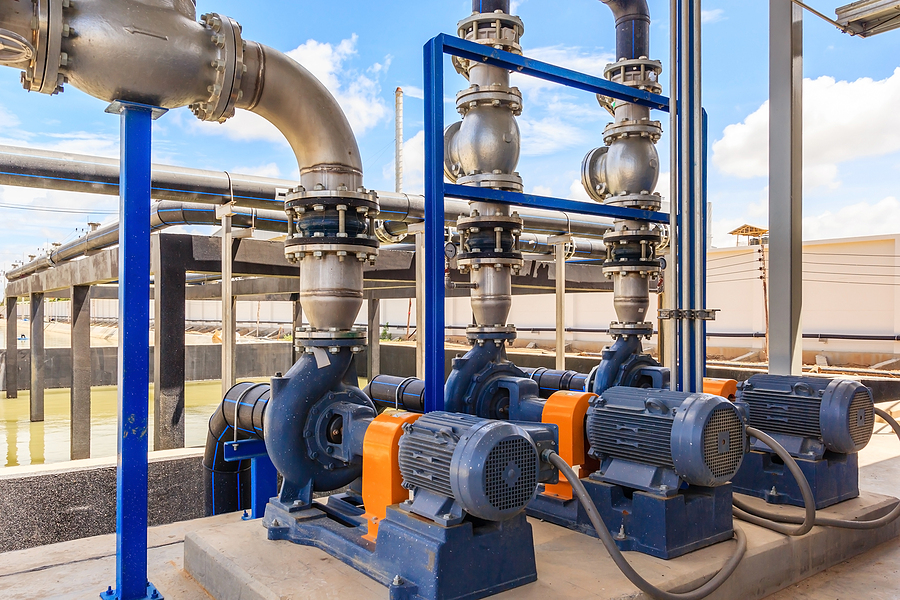
Pump and valve selection is one of the most important parts of handling high-solids waste streams. Using the wrong valve and pump combo can lead to a variety of issues, such as frequent clogging, excessive wear, and high energy consumption. As a wastewater treatment facility, it is crucial to ensure you have all the necessary components to optimize performance and efficiency. We’re going to dive into how you can optimize pump and valve selection for streams that contain abrasive materials and high solids.
What are “Abrasive” and “High-Solids” Waste Streams?
When it comes to wastewater, there are many types, each containing different materials and solids. The type of building you are in will determine the types of waste in the water. These types of waste streams can be found in municipal and industrial environments and often include wastewater grit and screenings, food processing waste, mining waste, pump waste, and sludge. With this type of waste, there is concern about equipment performance due to the presence of solids in the water. The shape and size of the solids, solids concentration, specific gravity, and viscosity are all characteristics that will affect equipment performance. These types of solids can cause greater wear and tear, so they should be considered when choosing a pump and valve for your specific wastewater concentration.
Challenges in Abrasive and High-Solids Systems
As we stated, there is concern about additional wear and tear on equipment that handles high-solids, abrasive water. There are a few key challenges that can arise when dealing with these systems and high-solids content.
Excessive Wear and Tear
We’ve touched on this previously, but excessive wear and tear is a key challenge that can arise if you have a wastewater treatment facility with abrasive, high-solids content later. Erosion of pump components, valve damage, and seal damage are specific issues that can occur due to excessive wear and tear.
Clogging Issues
Solids, especially abrasive or large solids, are hard on the systems and can potentially jam impellers and valve openings. It can also cause buildup inside the valve bodies, leading to a multitude of issues. If wastewater treatment systems are unable to remove particles efficiently due to their size, material, or amount, this can lead to clogging and further problems for the system.
Loss of Efficiency
Performance is important for wastewater treatment systems, especially given their critical role. Systems that handle high-solids can experience reduced performance over time and higher energy costs. Efficiency is crucial, so having the right pump and valve system for your facility ensures it runs as efficiently as possible.
Increased Maintenance
Maintenance and downtime are something that many facilities should do everything they can to avoid. Downtime and maintenance mean that systems are not running, which can be costly, especially if it requires an emergency shutdown. Additionally, frequent maintenance can be costly, impractical, and inconvenient for a facility trying to maintain its operations.
How to Choose the Right Pump
Firstly, let’s explore how to choose the right pump and what to consider for an abrasive, high-solids system. Selecting your pump type is a crucial step in this process to ensure you choose a pump that meets your system’s needs. Here is a look at some of the different types of pumps:
Non-clog centrifugal pumps: These are best suited for high flow and fast-moving volume. It is also best for solids that are not thick or paste-like, but more rough and abrasive. It is also ideal if your current system frequently clogs or if you are dealing with municipal wastewater.
Rotary lobe pumps: This type of pump is more “sensitive,” meaning it’s gentler with solids, leading to less grinding and less damage. It’s best if you have solids that are large, but not gritty.
Peristaltic pumps: If you are dealing with highly abrasive materials and need reliable pumping, this is the best choice. It’s ideal for pumping sludge, lime slurry, and polymer, among other materials.
Progressive cavity pumps: These pumps are ideal for pumping wastewater with thick, high-solids sludge and for maintaining a constant flow. It’s best for sludge, biosolids, and thick industrial waste, as it doesn’t lose flow stability and efficiently pumps solids.
Recessed impeller pumps: These pumps are ideal for solids that include stringy, fibrous materials or for applications with a high risk of clogging. The impeller is away from the flow path, minimizing contact with solids.
Pump Material Matters
The material of the pump is important, as it can make or break its efficiency. You’ll want a pump with wear-resistant materials, such as iron, stainless steel, or ceramic coatings. It’s crucial to choose a material that best suits your abrasive severity, ensuring you don’t experience any unnecessary wear and tear.
Consider the Seal and Bearing
The pump itself isn’t the only component that you need to consider. Seals can often fail in environments with abrasive materials. The different seal options include mechanical, packed, and cartridge seals. Choose a seal that is ideal for your wastewater consistency and ensure that it will maintain efficiency.
How to Choose a Valve
Valve types are another key component of your wastewater treatment facility, and it is important to understand which types are available and which might be ideal for your specific wastewater needs. Here are the different valve types that you can choose from:
Plug valves: Ideal if you need a valve that can handle solids efficiently without clogging. If your system comes in contact with sludge, grit, and thick wastewater, this valve is ideal for your situation.
Knife gate valves: Facilities that handle sludge, biosolids, and high-solids flows that require on/off isolation can benefit from this valve type.
Ball valves: Ball valves can be an option for wastewater treatment facilities that don’t have thick waste streams and instead handle small, non-abrasive, non-fibrous solids.
Pinch valves: Pinch valves are ideal if your waste stream contains abrasive, gritty, or corrosive materials, or if it is thick. It has almost no clogging risk and a straight-through flow path, making it ideal for this type of material.
Check valves: If you need to prevent backflow in pumping stations, industrial slurry lines, or sludge lines, a check valve is ideal. It also protects the pump and equipment, extending their lifespan.
Abrasion Resistance in Valves
Abrasion resistance is important for valves as well, so choosing a material that can withstand abrasive materials is key. For example, hardened seats and trims, coated internals, and rubber-lined options are all ways to protect your valve when dealing with abrasive materials.
Selecting a Pump and Valve for Maximum Performance
When choosing a pump and a valve, select them as a system or set, not as individual components. Treating them as a set ensures maximum system performance and seamless operation. You’ll want to match the flow rate, solids-handling requirements, and pressure. Some common challenges that arise when choosing a pump and valve to work together are:
- Choosing a pump that handles solids well, but a valve that doesn’t. This will result in clogging and other issues, as the valve will not be able to operate if it cannot handle the solids passing through.
- Inconsistent flow caused by a mismatched valve and pump. This inconsistency could cause surges, which can result in many other performance issues.
- Pump strain due to valve restrictions, which is due to the valve not being ideal for the wastewater, and the pump working in overdrive to compensate.
These are just a few of the potential challenges that could arise, underscoring the need to choose a valve and pump that work efficiently together.
Choosing a Pump and Valve for Your High-Solids System
The pump and valve in a wastewater treatment system are two of the most important components, so it is extremely important to choose them wisely. Consider your system needs, solids content, material type, and wastewater type to choose a system that works best. If you aren’t sure which pump or valve is ideal for your specific treatment facility, contact us at Lakeside Equipment, and we will help you choose components that maximize efficiency for your specific facility.