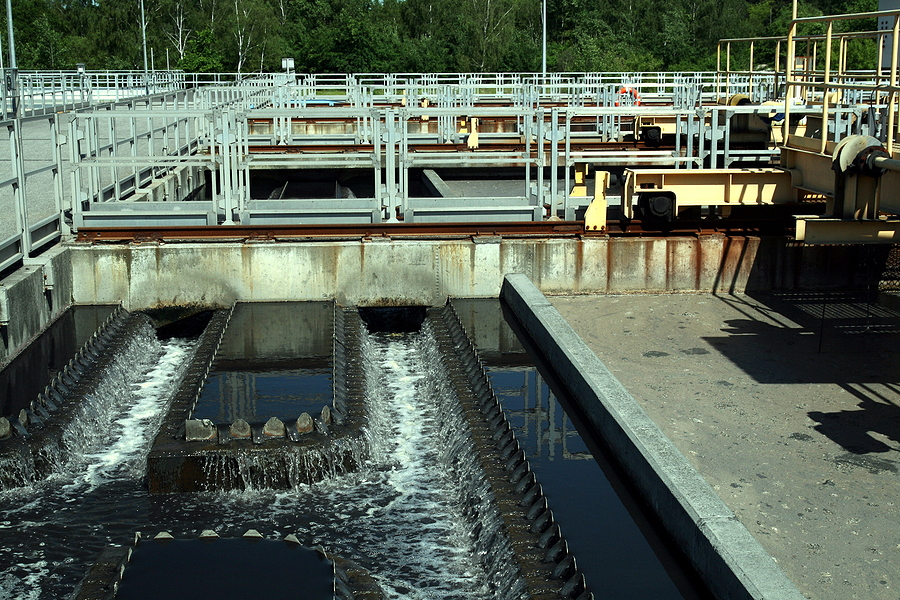
Grit accumulation in wastewater treatment systems can cause wear and tear, impacting industrial and municipal systems heavily. This can cause operational inefficiencies, higher long-term maintenance costs, and difficult-to-manage equipment wear and tear. Grit refers to a variety of sources, such as sand, coffee grounds, silt, or minerals in the water. If grit accumulation isn’t managed, it can cause issues such as pump failure, mechanical part abrasion, and clogged channels that reduce flow. Modern grit collectors are crucial for improving equipment longevity and reducing overall maintenance costs. We’re going to look into the precise effects grit collectors have on equipment and why they are essential in your facility.
What is Grit and How Does it Affect System Performance?
We touched on what grit is, which includes a variety of materials such as sand, silt, and minerals. Grit is typically abrasive and dense, which makes it easily capable of damaging machinery compared to organic solids, making it essential to have something in place to combat it in wastewater. Grit can cause significant damage over time if it is not filtered from the water, degrading the system and leading to failure. Because of the unique makeup of grit, compared to organic materials, including the fact that it can vary in size, it’s pretty dense, and it can have a rough edge, all of which will contribute to the potential adverse effects on the machinery.
Overview of Modern Grit Collectors
There are many types of modern grit collectors, each using different methods to remove grit. Modern advancements have significantly increased their effectiveness at grit removal, due to increased grit from urbanization and higher levels of inorganic solids. We’re going to give a brief overview of a few of the most common types of modern grit collectors so you can get an idea of what they do.
Aerated Grit Chambers
This is one of the most popular modern grit collectors used in municipal wastewater treatment facilities, and they include controlled airflow that creates a spiral motion that keeps organic matter at the top and drops the grit to the bottom.
Vortex Grit Chambers
This kind of grit collector uses circular motion in a cylindrical tank, creating a vortex that forces the grit particles toward the center or the outer edges. There are two versions of this: a forced vortex, which uses mechanical paddles, and a free vortex, which uses a hydraulic design.
Multi-Tray Grit Collectors
This grit collector uses stacked trays where the influent water flows down. As it cascades, the velocity and direction change, causing the grit to settle. This particular system will also typically remove fine and ultra-fine grit that other systems might miss.
Hydrocyclonic Grit Collectors
This system uses high-velocity rotation inside a conical chamber to create a force that pulls the grit apart. This particular grit collector has a high grit-removal efficiency and no moving internal parts.
How Modern Grit Collectors Improve Equipment Longevity
These modern grit collectors provide mechanical and operational benefits that help to improve equipment longevity. It will reduce abrasion on pumps, valves, and pipelines, thereby causing less damage to the machinery’s internal workings. They also prevent grit accumulation in channels, basins, and aeration tanks, thereby preventing damage to the system’s internal workings. With reduced grit infiltration, there is improved sludge quality, reduced digester volume, and lower mechanical component wear. All of this significantly extends the lifespan of most facility machines.
How Modern Grit Collectors Reduce Maintenance Costs
Due to improvements in equipment longevity, maintenance costs are also reduced. Your machines will experience less wear and tear, resulting in the system lasting longer without maintenance, since there are fewer issues with the machinery. Equipment replacement, emergency shutdowns, repairs, and rebuilds are all reduced by the grit-removal process. As a result, budgets will reflect stabilization, and the budget will be easier to predict without the addition of extra maintenance and replacements to the machinery.
What to Consider When Upgrading to a Modern Grit Collector
If you are contemplating upgrading to a modern grit collector, it’s best to consider everything so that you are best prepared for what to expect and how to prepare your team for the change. Here’s a list of things you should consider when upgrading to a modern grit collector:
- Lifecycle cost analysis and up-front cost evaluation of the upgrade
- Selection of a system that is efficient for your particular facility
- Pilot test for your unique wastewater characteristics to ensure your choice is efficient
- Assess your hydraulic profile and plant layout to take into consideration
- Look into your peak and minimum flow rates before choosing a system
Invest in Long-Term Wastewater Treatment Facility Health
Upgrading to a modern grit collector can benefit your business, especially by extending the longevity of your equipment and reducing maintenance costs. Maintenance and equipment lifespan are two of the most crucial factors for your equipment and the bottlenecks your facility will face. There are many different grit collectors to choose from, but we recommend making your decision after you’ve considered all the factors in our previous section. Knowing what is efficient for your facility and choosing a grit collector that’ll make the most significant difference is key to an effective upgrade. If you are looking for a reliable company to supply you with a modern grit collector that’s right for your facility, contact us at Lakeside Equipment for a consultation.