Biological treatment systems are a crucial component of modern wastewater treatment facilities and typically rely on natural microorganisms to degrade organic pollutants in the water. Because these are naturally occurring microorganisms, they can be affected by temperature changes, which will, in turn, affect their performance. This is an overlooked aspect of wastewater treatment, and it should be considered by more people, especially during seasonal changes and extreme temperature fluctuations, such as sudden rises or drops. We will examine how temperature shifts affect biological treatment efficiency and why this is important to understand for wastewater treatment facilities.
What Are Biological Treatment Systems?
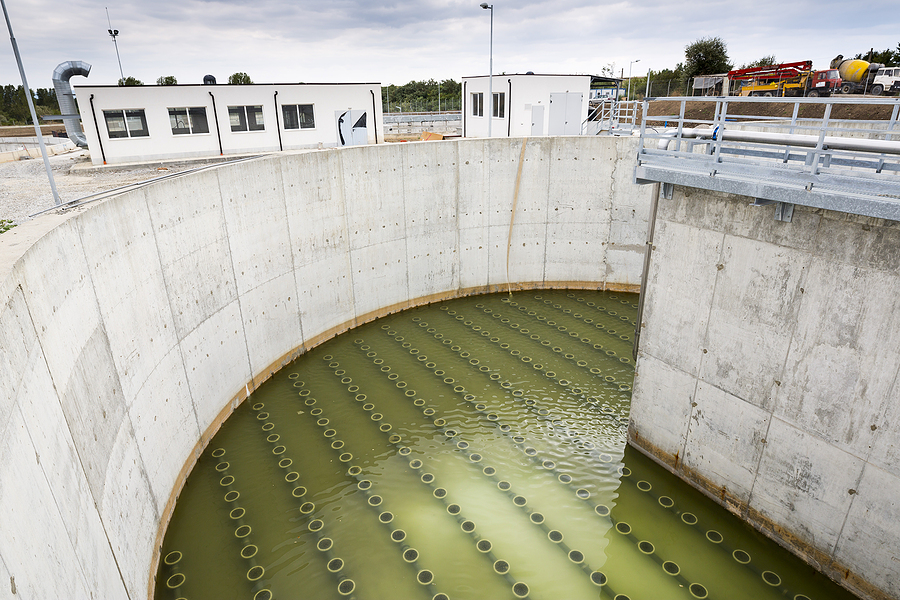
Biological treatment systems use natural microorganisms to break down pollutants in water, such as bacteria, and convert them into less harmful byproducts. They are more efficient, cost-effective, and environmentally sustainable than other alternatives. Examples of biological systems include activated sludge systems, trickling filters, moving-bed biofilm reactors, and anaerobic digesters. Wastewater enters the system, and the microorganisms are exposed to the waste, and the bacteria metabolize the organic compounds. Solids are then settled or filtered out, and the clarified water proceeds to the disinfection stage.
Role of Temperature in Biological Treatment
Temperature plays a significant role in the performance of biological treatment systems because they rely on the natural production of microorganisms to break down organic matter. When it comes to temperature shifts, even small shifts can make a significant difference in treatment efficiency, reliability, and regulatory compliance. Warmer temperatures typically increase microbial activity, leading to faster treatment rates and greater efficiency, whereas colder temperatures slow microbial metabolism, reducing treatment efficiency.
Bacteria in Biological Treatment
Mesophilic bacteria are the most common type that uses biological treatments and thrive between 68 and 104 degrees Fahrenheit. Psychrophilic bacteria are cold-adapted and thrive at temperatures below 68 degrees Fahrenheit, whereas thermophilic bacteria thrive at temperatures above 104 degrees Fahrenheit. If bacteria are at temperatures below their ideal temperature, this can result in reduced microbial activity, longer treatment times, poor nitrification, and increased sludge production. If bacteria are exposed to temperatures above the optimal temperature, this can lead to oxygen depletion, microbial stress, and odor problems.
Temperature Shifts
Rapid temperature changes can pose a greater risk, making it essential to pay attention to intense fluctuations rather than gradual shifts, as we usually see with seasonal changes. These intense fluctuations will induce biological shock, making it impossible for microbial populations to adjust to temperature shifts and causing further damage. This can result in loss of treatment efficiency, sludge bulking or washout, and odor complaints.
Why is Temperature Control Essential for Efficiency?
Temperature control plays a crucial role in biological treatments; without temperature control, numerous adverse effects on the system can affect its long-term efficiency. It’s vital to maintain stable microbial populations to ensure proper performance and consistent treatment outcomes. Monitoring temperature changes can extend equipment lifespan by maintaining efficiency and preventing adverse effects from temperature fluctuations. Ultimately, temperature control will also keep your facility in compliance, since the bacteria will still perform to standard. Without the bacteria performing at full efficiency, your biologic treatment facility will not be able to operate effectively, will drop its standards, and will become noncompliant, facing violations.
How to Manage Temperatures in Biological Aeration Systems
If you have a biological treatment system, it is essential to understand how to manage temperatures and monitor fluctuations that may adversely affect your treatment facilities. It can be pretty simple to maintain the temperature and stay on top of these changes as long as you have the right resources to do so.
-
Maintain insulation on tanks and piping at all times, and be sure to check frequently that they are up to standard
-
Use flow equalization to reduce temperature swings
-
Adjust retention times during the colder months to ensure that your treatment facility is staying efficient
-
It implements supplemental heating in anaerobic systems to keep them working efficiently during temperature shifts
-
Implement equipment that is specifically designed for temperature resilience li, like specialized aeration
Work With Lakeside Equipment to Stay Efficient During Temperature Changes
At Lakeside Equipment, we work with wastewater treatment facilities to implement the most efficient equipment for their particular needs. We have experience with wastewater treatment facilities and fully understand the importance of temperature control in biological treatment systems. Temperature can heavily affect the biological treatment system and the effectiveness of the system as a whole, which is why fluctuations should be paid attention to and ultimately taken into consideration, especially in intense climates. We have a variety of equipment used for different systems that will help you monitor temperature changes and keep things more in line with the temperature your particular bacteria need to be at to do their job correctly. If you’re looking to stay on top of temperature fluctuations amid seasonal changes, contact us, and we will recommend equipment that’s best for your particular facility needs.