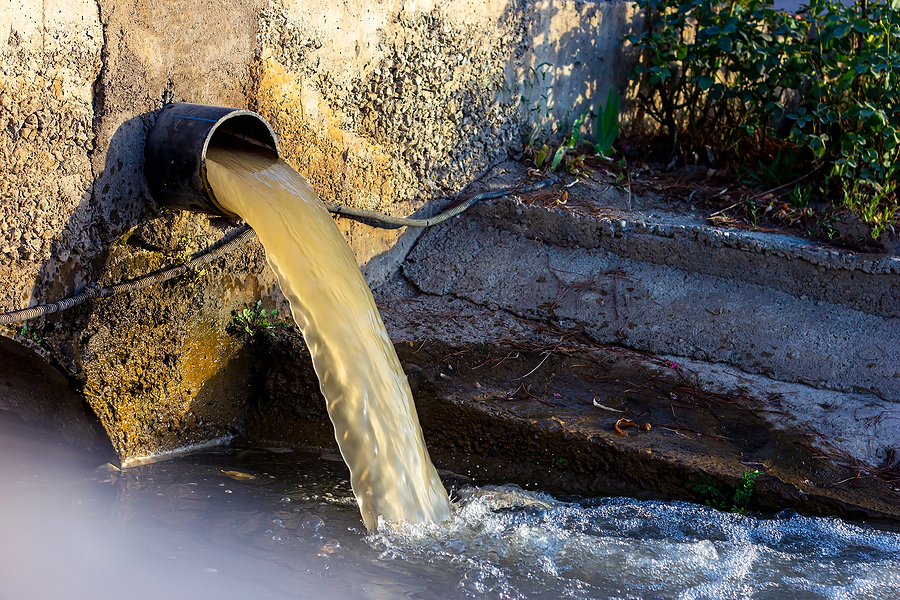
Wastewater treatment is an important part of our everyday lives, but there is a need for change as contaminants evolve and new ones emerge. For example, PFAS, or forever chemicals, are new contaminants that we must consider when operating a wastewater treatment facility. Forever chemicals, microplastics, and pharmaceuticals are examples of emerging contaminants that must be considered, especially because current treatment systems weren’t designed to address them. Let’s discuss how to manage these emerging contaminants with advanced treatment equipment and what this could look like for the future of wastewater treatment facilities.
What Are PFAS and Why Do They Matter?
PFAS, or forever chemicals, are emerging contaminants found in a variety of areas, including our water systems. They are called “forever chemicals” because they seem to persist for a long time, thanks to their very stable chemical structures. Typically, if there is a trace of PFAS, there is a larger amount in the area, as they are usually present in groups and at very low concentrations. PFAS can come from a variety of sources, many of which are unknown, but common sources include firefighting foam, landfills, industrial discharges, and biosolids or effluent. Managing PFAS has become a priority for many industries since their discovery, including the wastewater industry, because of their negative effects on humans.
What is Considered an “Emerging Contaminant”?
When we think about emerging contaminants, we’re referring to contaminants that weren’t always present but are being discovered more frequently. Microplastics are among the most well-known contaminants in this sector, and they have been discovered in a variety of areas, raising concerns about their prevalence. These emerging contaminants are difficult to track and regulate because they are often found at low concentrations, meaning there are not many in any given area. Yet, they can have a significant effect on humans even at low levels. Regulating these contaminants would be ideal, but it’s quite challenging, as their effects are not fully known and can change over time.
How Regulations for Emerging Contaminants are Evolving
Regulations are changing as the discovery of emerging contaminants continues, and agencies are trying to respond to the increasing public concern. One of the biggest changes we will see across the industry is the shift from viewing these contaminants as a broad category to viewing them specifically. For example, PFAS were initially identified as a few specific larger compounds, but there is now growing recognition of different types of PFAS and PFAS mixtures. In the future, we expect lower limits on what is allowed in water or other areas as detection methods continue to improve. Given that many of these contaminants can be present at low concentrations, it will be crucial to determine their effects on humans and the environment, even at low levels. Routine testing, advanced treatment ideas, long-term treatment budgets, and increased tracking will all be a part of what this looks like in the future and how industries will respond to the increase in these contaminants.
How Advanced Equipment Will Set the Stage in the Future
Advanced treatment equipment is something we can expect to see more of as these emerging contaminants are discovered. “Advanced treatment equipment” refers to any equipment added beyond the primary and secondary equipment we typically see. They are typically added to help remove wastewater contaminants that the typical process doesn’t capture. Because PFAS and other contaminants are often dissolved, chemically stable, and able to pass through treatment processes, it is critical to have additional equipment specifically designed to handle them.
What Makes this Equipment Advanced?
When we talk about advanced treatment equipment, it usually has characteristics that are not present in typical equipment. You can expect this equipment to remove contaminants at a molecular level, which is important because some contaminants are dissolved or too small to pick up with traditional equipment. It will also target material that traditional equipment isn’t built for, such as pathogen control. When considering advanced equipment, it’s vital to note that it will require specialized design and monitoring including operator training, lab testing, and performance monitoring.
Types of Advanced Equipment for Wastewater Treatment Equipment
Multiple types of advanced equipment can be added to your wastewater treatment facility. Advanced equipment is a great way to ensure you can manage the emerging contaminants we are increasingly seeing, such as PFAS, while maintaining your system setup. Here are some of the most common ones and how they help:
Granular Activated Carbon Systems
These systems will remove contaminants through adsorption, in which contaminants stick to the carbon surface. This is ideal for dissolved or too-small chemicals and contaminants that traditional equipment cannot pick up. This system also removes low-concentration materials, making it ideal for PFAS and organic micropollutants.
Ion Exchange Systems
Ion exchange systems are vessels filled with resin beads that attract and hold contaminants. It’s an effective system for removing specific PFAs, especially those present in drinking water.
Membrane Filtration Systems
This system type includes three different treatments: nanofiltration, reverse osmosis, and ultrafiltration. It works by physically separating the dissolved contaminants from the water using pressure-operated filtration.
Advanced Oxidation Processes
Advanced oxidation processes, or AOP, work by breaking down organic contaminants by creating powerful oxidants. It’s best for pharmaceuticals, industrial organics, and taste-and-odor compounds.
How to Choose Advanced Equipment for Your System
Choosing an advanced piece of equipment means considering many factors to ensure you select a system that fits your needs. For example, you’ll want to match your equipment to where the contaminated water is and where the contaminant lives. PFAS in drinking water systems will be treated differently from wastewater systems, pretreatment, or landfill treatment centers. A one-size-fits-all solution won’t work in this situation, and it’s important to have clear goals to ensure you can choose equipment that maximizes efficiency and brings the most benefit.
When you are ready to implement the equipment in your facility, you can start testing and profiling your water to identify contaminants. Pilot programs are a great way to test out the equipment to ensure it’s the right fit for you before fully committing to an installation. Working with a professional who is experienced in treatment equipment can help you choose the best option for your facility.
Prepare Your Facility for the Future
Get ahead and prepare your facility for the emerging contaminants we’ve already identified and will continue to identify. Investing in advanced equipment is a proactive way to enhance your removal process before regulations and expectations for eliminating these contaminants take full effect. If you are looking to invest in advanced treatment equipment, contact us at Lakeside Equipment, and we will help you find the most effective piece of equipment for your facility.