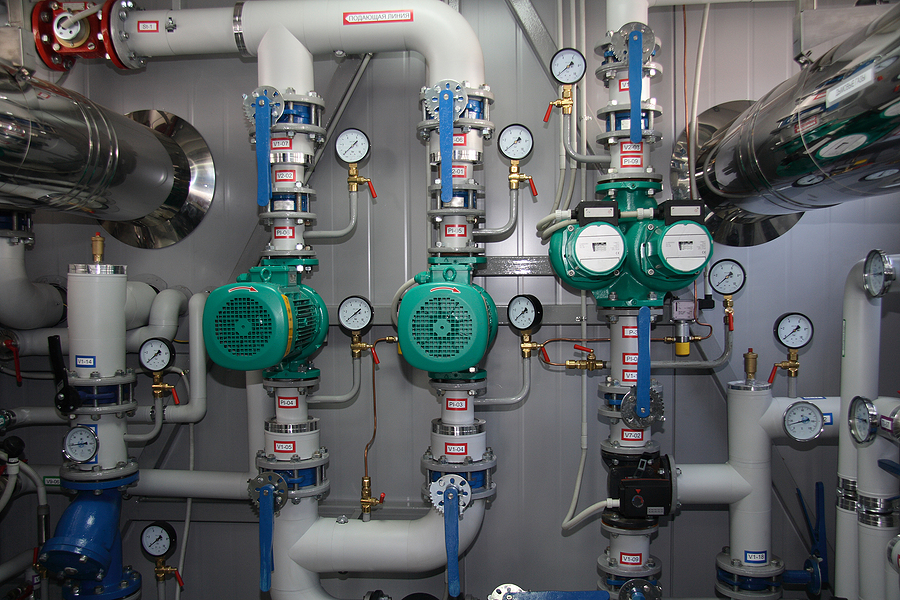
Inflow and infiltration are one of the most costly and persistent challenges in wastewater systems. Inflow is when water enters from rain, gutters, or runoff, while infiltration is groundwater that slowly seeps into the pipes through cracks or defects. Overall, this excess water doesn’t belong in the sewer system, and it can cause overflows, which make it much more difficult to operate. The issues come in when it causes system overload, increased costs, and overflow risks. Modern pumping systems help combat this issue by detecting, managing, and reducing the impact of I&I. Let’s explore how modern pumping systems achieve this and how wastewater treatment facilities can use them to reduce associated challenges.
Understanding Inflow and Infiltration
When we refer to inflow and infiltration, we mean› excess water entering through entry points such as manholes, cracks, loose joints, and illegal connections. The issues are often hard to manage because they aren’t caught early, as they’re underground, where they’re difficult to see and control. Wastewater systems have been dealing with I&I problems for years, and modern pumping solutions have been implemented to help alleviate the problem, but it is still difficult to manage. With an increase in excess water and the difficulty of managing it, the issue is larger than ever before.
The Impact of I&I on Water Systems
Inflow and infiltration can cause a variety of problems for wastewater systems, and recognizing these issues is the first step toward solving them. System overload is the main issue arising from excess water that isn’t supposed to be there, resulting in treatment plants exceeding capacity. The increased cost is another issue that arises from the greater volume of water needed to pump, treat, and manage, all of which involve operations that aren’t necessarily accounted for. It also puts a lot of strain on the equipment, which can lead to breakdowns or reduced longevity of the system equipment. For cities that deal with this issue, there is a financial burden, as it takes more funds to control the water system than it would if there weren’t excess water. All of these areas are having a huge impact on water systems that need to be controlled, and modern pumping solutions are now how we can address this issue.
Traditional Methods for Controlling Inflow & Infiltration
Currently, the methods used to control I&I focus mainly on identifying cracks and leaks so they can be repaired. For example, common approaches include smoke testing, sealing manholes and joints, and performing pipe repairs and replacements. Although these methods have been used for years, challenges associated with them make them less ideal in modern times. These current solutions are more reactive than proactive, meaning something isn’t done until there is already an issue at hand. These methods are also quite costly, given the labor required, and they are time-consuming. On top of that, it can be difficult to pinpoint all the issues, which can leave some unresolved even after it’s been repaired. Because of these challenges and the overall inefficiency of these methods, there is a growing need for a new way to manage I&I.
How Modern Pumping Solutions Can Combat I&I
Modern pumping solutions might be the key to combating inflow and infiltration problems due to their protective nature and the ability to provide a solution without requiring manual labor. With a modern pumping solution, there comes a shift from only fixing cracked or broken infrastructure to managing flow internally and dynamically. These pumping solutions can help to control, optimize, and redirect flow when needed without overload, even if II is present. This solution is key to ensuring that wastewater systems aren’t overloaded, and it’s easy to use. Compared to current methods, pumping solutions will be more efficient, less time-consuming, and more accurate at solving all the problems that come with I&I. This is a new approach to an issue that wastewater systems have been dealing with for years. It could make a huge difference in the future of how I&I is handled.
Why Modern Pumping Solutions Will Work
Modern pumping solutions are more proactive, efficient, and accurate, thanks to various features. These features work together to create a modern pumping solution ideal for combating inflow and infiltration. Let’s look at these features and how they contribute to combating I&I.
Automation and Smart Controls
Automation and smart controls are being implemented across various processes in different industries, including the wastewater industry. With automation and smart controls, you’re able to make adjustments in real time without having to pinpoint the issue manually. The changes can be made automatically or remotely to combat the effects of I&I.
Variable Frequency Drives
VFDs, or variable frequency drives, are used to adjust pump flow to meet demand. They will adjust the pump speed automatically without the need for manual intervention, and they will help control the flow regardless of how much or how little it is.
High-Efficiency
These pumps are high-efficiency pumps, which means they can operate at the same capacity without using too much energy. Overall, it is a great way to reduce energy consumption while managing inflow and infiltration.
Remote Monitoring
Remote monitoring will allow us to gain visibility into system performance. Overall, this is a great way to see inside the system and ensure that everything is working appropriately.
Benefits of Modern Pumping Solutions for I&I Management
There are many benefits of using modern pumping solutions for I&I management, especially when we consider the key features that make them a good choice. Here is a list of the benefits we can expect when using modern pumping solutions to combat inflow and infiltration:
- Improved efficiency throughout the wastewater system
- Reduced risk of overflows due to the excess water
- Energy efficiency resulting in energy savings
- An extended lifespan and longevity of the equipment used
- Lower maintenance costs long-term
- Better compliance with regulations
The Future of Inflow and Infiltration Management
Inflow and infiltration, or I&I, is a common problem within the wastewater industry, which is why it’s crucial to find a better way to manage it. Our current management setup isn’t ideal for being proactive and getting ahead of the problem, which is where modern pumping solutions come in. Modern pumping solutions offer a variety of key features that provide a range of benefits for I&I management. It is the future of I&I management, and we can expect it to be implemented across wastewater systems nationwide.