Aging wastewater infrastructure has been a concern in the United States for decades, but there hasn’t been much funding to combat this until recently. In recent years, concern has grown, leading to increased federal funding to help repair and modernize these wastewater treatment plants. Overall, wastewater treatment is crucial, so ensuring these facilities remain efficient and up to date will help extend their lifespans. Modernization is important for population growth, environmental regulations, and climate regulations. This 2026 infrastructure funding is driving major upgrades to our wastewater treatment facilities and systems. Let’s take a look at how this is expected to change in 2026 and what the future of wastewater treatment facilities could look like as a result.
What the Current Wastewater Infrastructure Looks Like
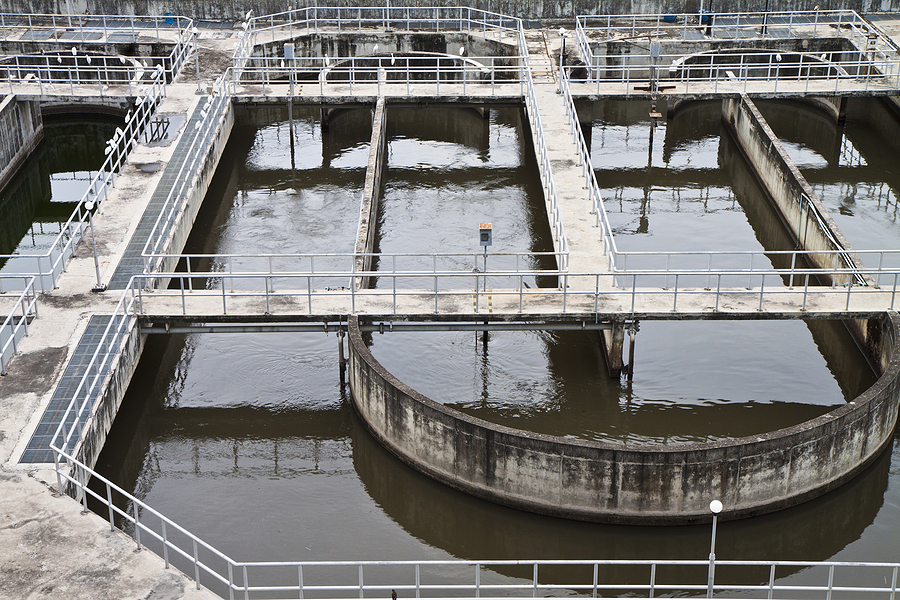
To understand what differences are to come with the federal funding, we have to look at what wastewater infrastructure currently looks like. When we look at the current infrastructure, the biggest consideration is that many of these wastewater treatment facilities are decades old. Because of this, it’s vital to have an upgraded system to prevent issues such as leaks, overflows, and inefficiencies that can arise after years of use. The growing population is also a major factor in considering how these facilities can keep up. Increasing demand from this population growth calls for upgraded systems that can handle the increased workload. Locally, many areas are struggling to keep their wastewater facilities up to date and operating efficiently due to financial constraints, which will be addressed through federal funding opportunities.
What the Federal Infrastructure Funding for 2026 Will Look Like
Major infrastructure legislation passed in the last few years has paved the way for the funding we will receive this year. In the last few years, the federal government has begun paying close attention to and prioritizing water infrastructure, and has declared it a national issue. When we think about funding initiatives behind it, there are two main ones: bipartisan infrastructure efforts and environmental protection programs. Federal agencies are partnering with state and local governments to fund these areas and coordinate large-scale investments, rather than relying on isolated funding. The funds are being split between different areas such as wastewater systems, drinking water improvements, and stormwater management. The key goal here is to invest in a long-term fix to transform our current wastewater system, rather than in short-term fixes that won’t last.
What is Being Modernized Inside Wastewater Treatment Facilities?
Modernizing these facilities is the main goal of this funding, as many of them use outdated systems that have been around for decades, causing problems over the years. Modernizing these facilities will allow them to work more efficiently and avoid costly maintenance in the future. Here is a look at what will be modernized in these facilities:
Aging Equipment: Many of these facilities have been around for decades and use the same equipment. Upgrading equipment will make a world of difference in avoiding maintenance and breakdowns and maximizing efficiency.
Automation: Automation is becoming part of almost every system we have due to advances in technology. Automation will help to alleviate the need for manual labor in many areas while streamlining processes.
Capacity Expansion: With the increase in population,n there is an increase in demand for water. This places excessive stress on our current wastewater systems, which is why expanding the capacity of these facilities to handle demand is crucial.
Energy-Efficiency: With energy use and sustainability a top priority across many industries, wastewater facilities are seeking to improve energy efficiency. With these upgrades, the wastewater industry can be much more energy-efficient.
Improved Technologies: Filtration and treatment technologies will become much more efficient and capable of meeting greater demand.
Benefits of Modernized Wastewater Systems
There are many benefits to modernizing our current wastewater systems. These benefits span many areas, including environmental, public health, community, and economic health. Let’s look at them broken down by category:
Environmental Benefits:
- Compliance with regulations
- Improved water quality
- Reduces pollution
- Better handling of stormwater and runoff
Public Health/Community Benefits:
- Reduced contaminant exposure
- Improved sanitation
- Cleaner drinking water
- Prevents sewage overflow
Economic Benefits:
- Creates more job opportunities
- Support local businesses
- Increases property values
Potential Challenges with Modernizing Facilities
As with most things, challenges can arise when we consider what modernizing these wastewater treatment facilities might entail. For example, there could be funding gaps even with federal support, which can delay changes or cause financial strain. The rise in construction and material costs must also be considered, as it will heavily affect the overall cost of the project and determine how much funding is needed. Additionally, there could be setbacks in coordination among federal, state, and local agencies. These challenges will not delay the modernization of these facilities, but it’s important to recognize them in planning.
What Does This Mean for Wastewater Facility Infrastructure?
When we think about the changes we can expect this year, it’s important to understand their effects on our facilities as a whole. We can first expect to see more federal funding for this area, especially as maintenance needs and upgrades may continue to be needed in the coming years. We will also see a shift in sustainable infrastructure as changes are made and new infrastructure is installed. Innovation will be a driver of future water management, especially for upgrades and improvements down the road. Wastewater treatment facilities will require ongoing maintenance, funding, and continued investment to keep them running efficiently.
The Future of Wastewater Treatment Facilities in 2026
The modernization of wastewater treatment facilities is crucial to the industry’s development and to keeping it efficient. Supporting these changes will also support environmental protection, economic growth, and public health with the upgrades we can expect to see. Current systems are not built to last; don’t meet the required demand, and are inefficient in their processes, which is why modernization is vital. To support a sustainable and resilient future, we must support the modernization of wastewater treatment facilities with federal funding.