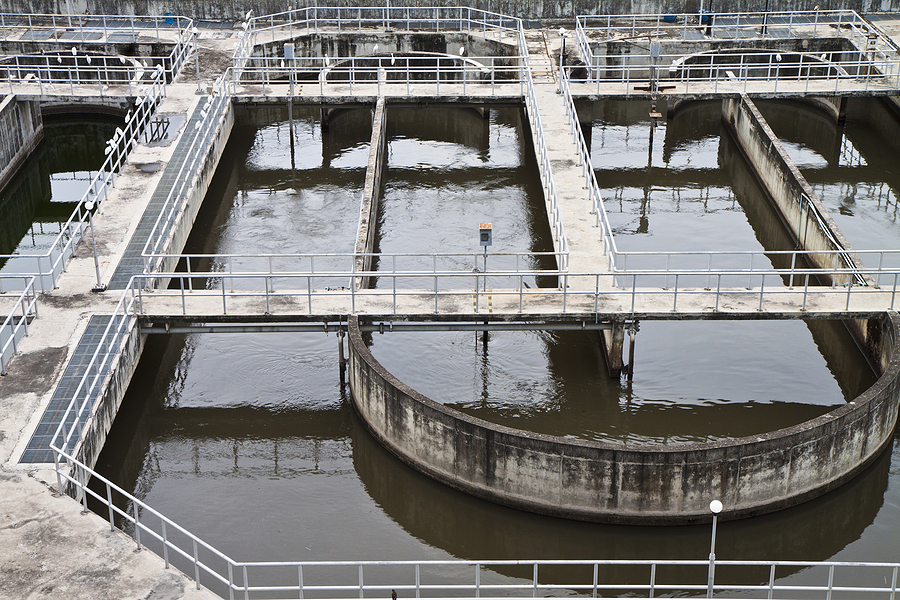
Wastewater treatment plants consume a large amount of energy, which has spurred efforts to make them more energy-efficient. Energy-natural plants are the solution, as they are wastewater treatment plants that produce as much energy as they consume. Essentially, the facility isn’t wasting energy; it’s in a neutral state. With rising energy costs and climate goals, there is a need to maximize energy savings across a variety of industries, including the wastewater industry. It’s not clear whether these goals are realistic or idealistic targets. Let’s explore whether or not this is an achievable goal and why it could or couldn’t be.
What Does Energy-Neutral Mean?
Energy-neutral refers to a treatment facility using just as much energy as it produces, so it is in a neutral state with its energy consumption. This allows the facility to offset its electricity and fuel needs by using the energy from the wastewater itself. Typically, they can harness this energy from sources such as aeration systems, pumping and hydraulic components, and sludge treatment. The process might sound simple, but it is actually quite intricate in what needs to take place to achieve this.
A Look at the Energy Problem in Wastewater Treatment Facilities
Wastewater treatment facilities, in particular, use quite a bit of energy, which is why this is a key area where sustainability and energy goals are being enforced. These plants are usually energy-intensive due to the intricate process of wastewater filtration. These facilities use a variety of components with varying energy consumption throughout the wastewater treatment process. When looking at energy usage, it’s crucial to understand that many inefficiencies are hidden in older infrastructure, which means an upgrade could make a huge impact on energy use in older facilities. We are seeing greater focus on the energy use of wastewater treatment plants as populations grow and expand, putting more stress on these facilities.
Technologies That Support Energy Neutrality in Wastewater Treatment
When we look at an energy-neutral wastewater treatment facility, a variety of technologies make it possible. There isn’t a single technology that will help achieve this; rather, multiple technologies will work together to create an energy-neutral plant.
Anaerobic Digestion
This is one of the most crucial technologies that will support and enable an energy-neutral design. With anaerobic digestion, the wastewater facility will be able to convert waste sludge into usable energy. The process involves microorganisms breaking down fine organic material into the sludge, which then leads to methane production. This methane can be used as a renewable energy source instead of being disposed of. As a result, this will lead to less sludge and a steady flow of energy straight from the wastewater treatment plant.
CHP Systems
CHP Systems, or combined heat and power systems, enable the biogas produced by anaerobic digestion to be converted into energy. This works hand in hand to generate usable energy by burning biogas in an engine or turbine to produce electricity or heat. This particular system is ideal because it utilizes the excess heat instead of wasting it, thereby creating usable energy.
Advanced Aeration Systems
Advanced aeration systems are an important part of achieving energy neutrality because they are among the largest energy consumers in wastewater treatment facilities. With an advanced system, oxygen is supplied only when and where it’s needed, so there is no waste or unnecessary use. When referring to being energy-neutral, adding advanced aeration systems is a key way that plants can move toward energy neutrality without changing too much.
Nutrient Recovery
This process is straightforward and uses technologies to recover valuable resources such as nitrogen and phosphorus. Both of these ingredients are key in fertilizers, so instead of removing and disposing of them, this process will remove and reuse them. Although this process does not directly contribute to energy generation, it is a crucial part of being sustainable.
Challenges With Energy-Neutrality
As with most things, there are challenges to achieving energy neutrality in wastewater treatment facilities. Knowing these challenges can help you prepare for and navigate them so you’re able to overcome them and meet our goals.
Cost: One of the biggest challenges with making these changes is the upfront cost of adding these technologies. If this is a challenge for you, opt for an advanced aeration system first so you can make greater progress with a lower initial cost.
Aging Infrastructure: Many wastewater treatment plants were built years ago, meaning their infrastructure is older. This could pose a problem when adding different technologies, as the existing infrastructure may not support them.
Regulations: Some regulations or permits could halt or prevent these changes from being implemented. Know the regulations and permits you need to abide by so that you can make an informed decision on what systems you’ll implement.
Operational Complexities: With new systems and technology comes a need to train and familiarize your operational staff with them. The changes can cause downtime as staff get familiar with them and learn how to work with and maintain these technological advancements.
Is Full Energy Neutrality Realistic?
When we look at every angle, the answer is yes, but only under certain conditions. We have to consider how much work it will take for wastewater treatment facilities to meet this goal, but it isn’t impossible. It may also be more realistic for some plants than for others, simply because of their infrastructure, funding, location, and opportunities. What’s more realistic is achieving energy-positive or near-neutral energy use for these facilities. When we think about the future of energy usage and sustainability, it’s important to recognize that any progress is a move in the right direction. We should focus on improvements, not perfection. We can expect changes to continue as the future of technology and wastewater treatment facilities is changing. Wastewater facilities should be open to implementing new energy-saving systems, but they should also understand the challenges that come with them. Overall, energy neutrality is possible, but it may not be feasible for all facilities, and it will take a significant amount of time.