Many wastewater treatment facilities have been around for years, making the infrastructure older and less stable than it once was. The growing population is taking a heavier toll on these older infrastructures than we once imagined, due to increased wastewater demand that these systems can’t handle. Much of the wastewater infrastructure around today is at the end of its lifespan, which means it needs to be replaced with newly built wastewater treatment plants. Continuing to put pressure on the current infrastructure can lead to a variety of issues, such as backups and overflows. Let’s explore how population growth is putting pressure on aging wastewater infrastructure and what that could mean for its future.
What You Need to Know About Wastewater Infrastructure
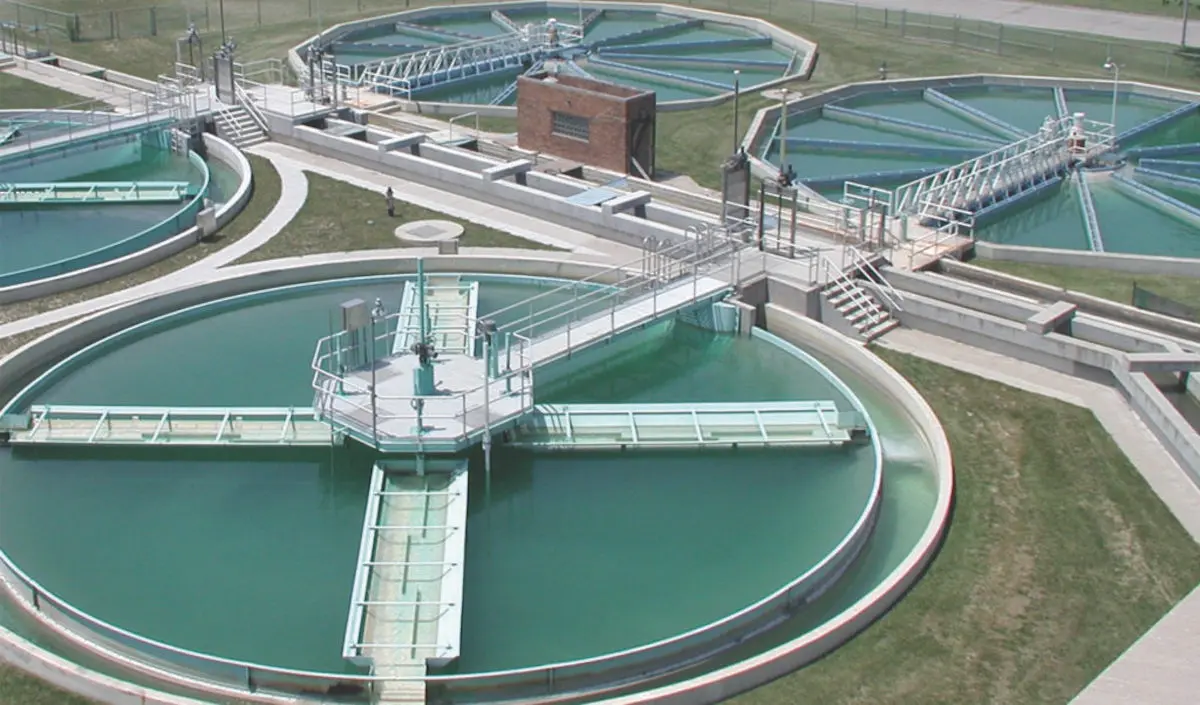
Wastewater infrastructure includes many components, such as sewer lines, lift stations, pump stations, stormwater systems, and wastewater treatment plants. These systems in the United States were built mainly between 40 and 100 years ago, and many cities are relying on very outdated wastewater systems. The older infrastructure is an issue not only because of deteriorating materials, but also because the original materials were not as strong. In contrast, today such infrastructure would be built with sturdier materials. Additionally, many of these systems were designed for smaller populations and haven’t been upgraded to accommodate population growth. All of these issues can cause breakdowns, require maintenance, and even necessitate an overall plan to build new infrastructure, especially when we consider how population growth increases system demand in wastewater treatment plants.
How Population Growth Affects Wastewater Treatment Infrastructure
Population growth is one of the leading, rapidly growing issues affecting wastewater treatment plants. New housing developments and expanding industrial activity create greater demand on the water department, leading to additional strain. Population density is also an issue in cities with large populations in small areas, which puts strain on local water systems. More people lead to more water use, which leads to more wastewater production and greater demand on treatment facilities and aging infrastructure.
- Increased wastewater flow from homes
- Higher strain on sewer lines
- Greater risk of sewer backups and overflows
- Increased demand for treatment plant expansion
- Higher operating costs
- More wear and tear on the aging pipes
The Risks of an Overloaded Wastewater System
Wastewater systems play an important role in our water management. If it is experiencing overload, this can lead to various problems that impact the surrounding community.
Sewer Backups and Overflows
Backups and overflows happen mainly when systems exceed capacity and wastewater has nowhere to go, causing it to back up into homes, streets, and businesses. These sewer backups and overflows can lead to basement flooding, property damage, and public health concerns for those exposed in the area.
Environmental Issues
An overloaded wastewater system can lead to environmental consequences when untreated sewage enters rivers, lakes, and coastal waters. It can cause harm to the aquatic ecosystem and lead to contamination of drinking water. Beaches would close, and recreational water usage would be halted or limited.
Increased Failures
If the wastewater treatment system is overloaded, it can lead to increased failures. For example, collapsed pipes, corrosion, equipment failures, and frequent repairs can result from this.
The Impact of Climate Change and Extreme Weather
Climate change and extreme weather events are affecting infrastructure and wastewater systems due to heavy rainfall, drought, and shifts in water usage patterns. When areas receive heavy rainfall, it can overwhelm sewer systems, especially older ones that still use outdated techniques. This could lead to flooded treatment plants, increased I&I, and overflow events during extreme weather. Drought and water usage patterns can affect wastewater flow, as drought restrictions and population shifts require adjustments. These weather events will continue to impact wastewater treatment facilities, making it important to update these systems quickly.
How Are Cities Responding?
Cities are looking for ways to address the overload at wastewater treatment facilities and are beginning to update their systems. Here are a few of the top ways cities are responding to the potential wastewater-treatment overload in their areas.
Expansion Projects
The most significant way cities are preparing is by planning expansion projects. Wastewater treatment facilities must be much larger and more up-to-date than the infrastructure built 40 to 100 years ago. The goal is to replace aging sewer lines, expand treatment plant capacity, separate the stormwater and sewage systems, and modernize pump stations for efficiency.
Smart Technology
As with anything else nowadays, there are ways cities can incorporate technology into wastewater treatment plants to improve efficiency and stay on top of potential issues. Smart technology can include sensors that detect leaks, predictive maintenance systems, and real-time monitoring systems.
Challenges The Cities May Face
- Projects are quite expensive, making it difficult to get things rolling because of the high project costs and the intense planning that must go into it
- Construction disruptions are also an issue that can put the project behind schedule
- There are shortages in funding that can make it difficult to pay for the project
- There could be a challenge with keeping up with rapid development and population growth in the area
Population Growth Is a Hidden Weakness for Wastewater Infrastructure
Population growth is inevitable, making it crucial to plan for wastewater treatment plant expansion to keep up. Failing to upgrade the infrastructure of these aging plants can lead to a range of issues that affect the entire surrounding city. Wastewater treatment plants are an important part of our water cycle, and many of them operate with outdated systems, crumbling infrastructure, and limited capacity. Cities are looking to plan for expansions, but funding can cause issues and delays in getting things started. Getting familiar with our wastewater plants can help you understand how important they are and how crucial it is for cities to secure funding for expansion projects before breakdowns and shutdowns occur in the facilities. In the future, we can expect more expansion projects, hopefully more funding, and a better-supported industry for wastewater treatment.